Dried Konjac Noodles vs. Fresh – Which Is Better for Your Business?
Dried or fresh konjac noodles? The right choice depends on your market, channel, and supply chain. This guide compares shelf life, shipping costs, convenience, pricing, certifications, and target markets — helping food brands, distributors, and retailers decide which format fits their business best.
Dried Konjac Noodles vs. Fresh – Which Is Better for Your Business?
When you're sourcing konjac noodles, the first decision is often: dried or fresh? Both have passionate advocates. But the right answer depends entirely on your business model, target market, and supply chain.
At Ransider, we manufacture both. And over 20+ years in the konjac industry, we've seen brands succeed with each format — and fail when they chose the wrong one.
Here's a practical breakdown to help you decide.
What's the Difference?
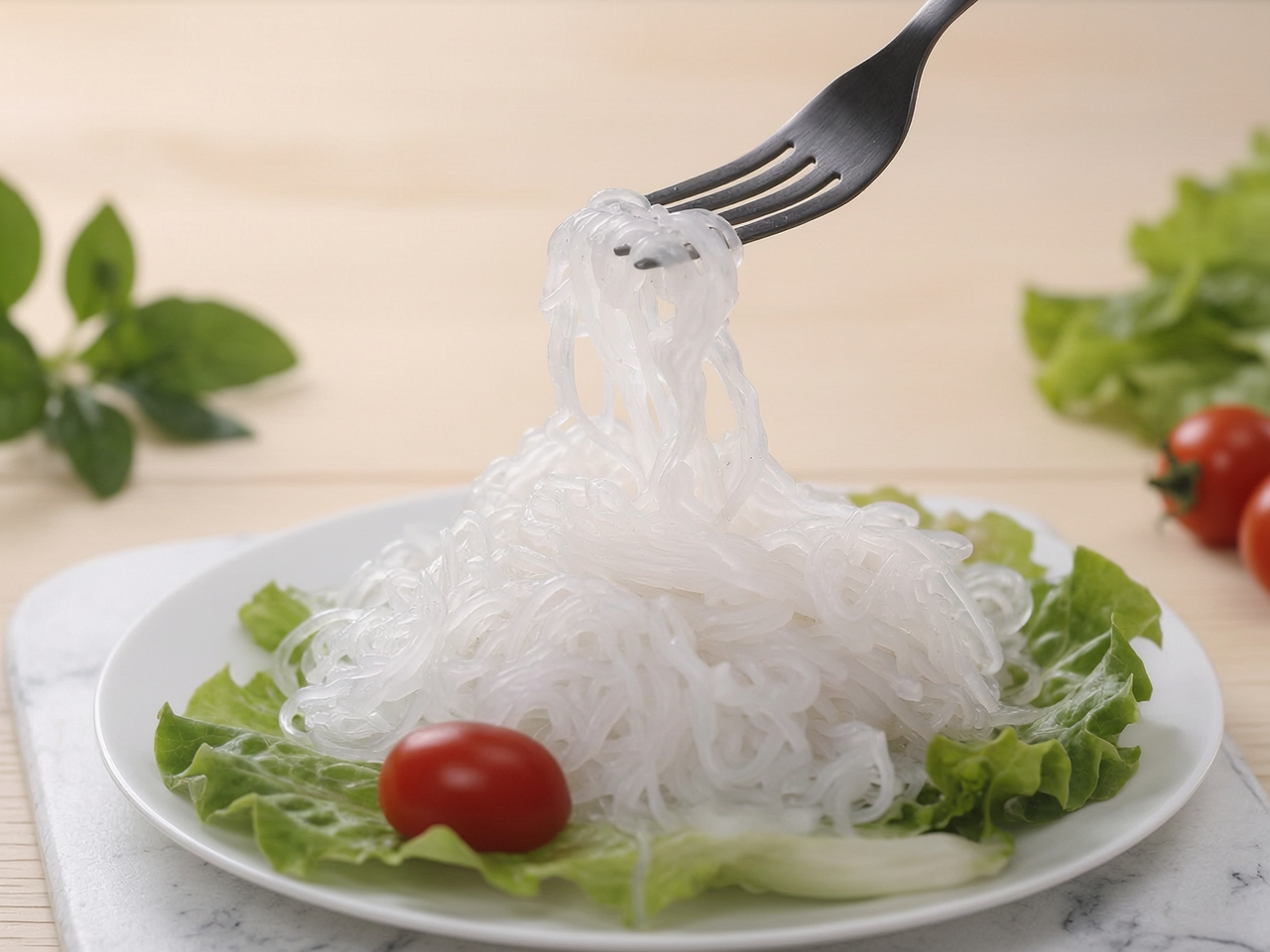
Fresh konjac noodles (often called shirataki or wet konjac noodles) are packed in water, ready to eat after rinsing, and typically have a shelf life of 6–12 months. They're soft, chewy, and closely resemble traditional pasta.
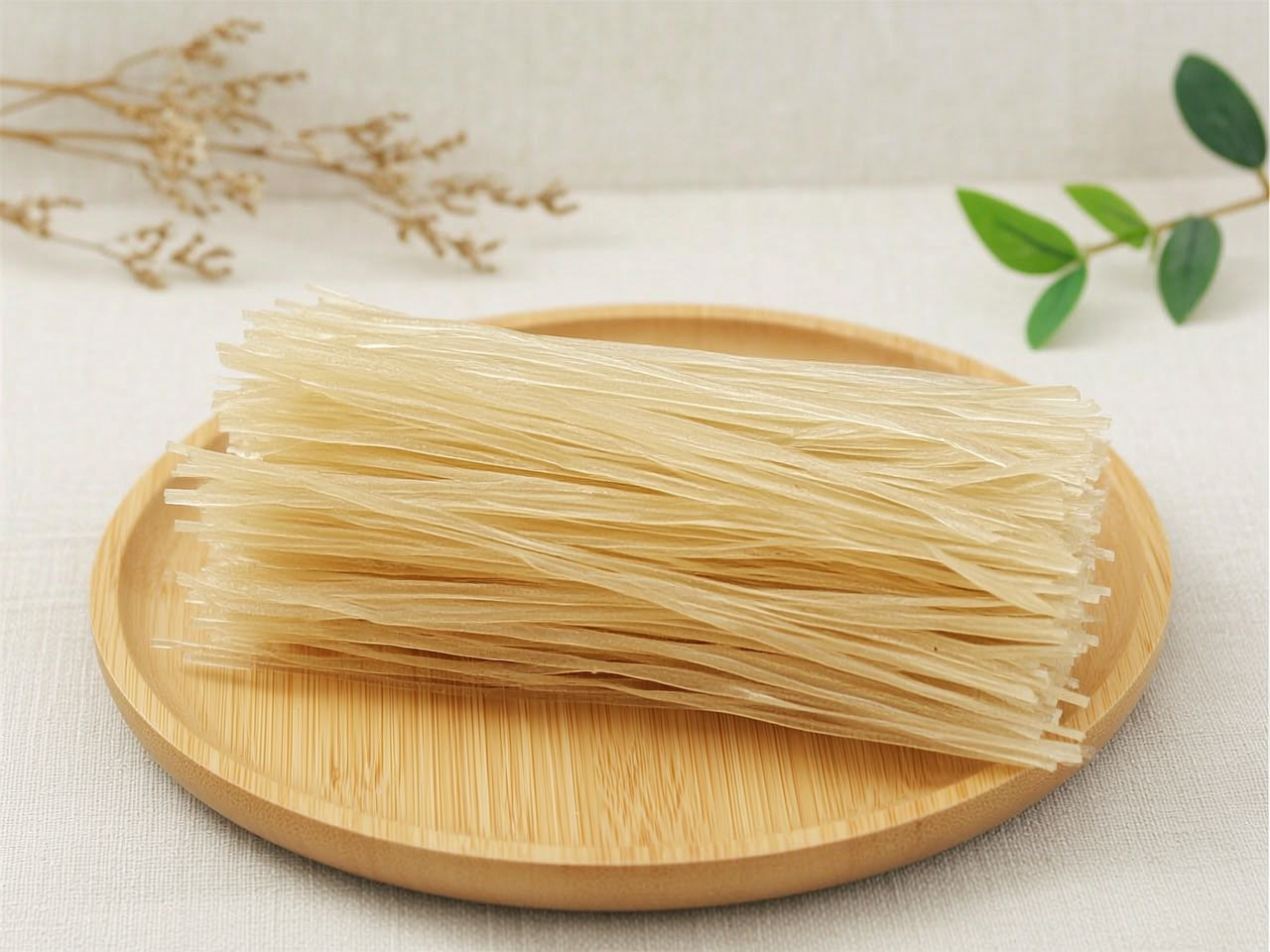
Dried konjac noodles are dehydrated, lightweight, and have a shelf life of 12–18 months or more. They require rehydration (soaking or boiling) before use, but offer significant advantages in logistics and storage.
1. Shelf Life & Storage
Format | Shelf Life | Storage Conditions |
|---|---|---|
Fresh | 6–12 months | Cool, dry place (some need refrigeration after opening) |
Dried | 12–18+ months | Cool, dry place, no refrigeration |
Winner for shelf life: Dried. If you're distributing to retailers or exporting to distant markets, the longer shelf life reduces waste, returns, and markdowns. Dried noodles also don't require temperature-controlled storage, which simplifies warehousing.
Fresh works well for local markets with fast turnover, or for food service where product moves quickly.
2. Shipping & Logistics
This is where dried konjac noodles shine. Because they contain no water, dried noodles are significantly lighter and more compact than fresh noodles packed in liquid.
Fresh noodles are heavy (water weight), prone to leakage, and require careful packaging. Shipping costs are higher per serving.
Dried noodles are lightweight, stackable, and less fragile. You can fit more product in a container, reducing freight costs per unit.
For exporters, this can be a 30–50% reduction in shipping costs compared to fresh. That directly improves your margins or allows you to offer more competitive pricing.
Winner for logistics: Dried.
3. Convenience & Usage
Fresh noodles are ready to eat. Consumers just drain, rinse, and heat. That convenience is a major selling point for busy consumers and food service operators.
Dried noodles require 8–10 minutes of soaking or boiling. That's not a dealbreaker — traditional pasta also requires cooking — but it's an extra step that some consumers resist.
However, dried noodles offer versatility. They can be used in soups, stir-fries, casseroles, and cold salads. They absorb sauces well and hold their shape. Many chefs prefer them for their firmer texture after cooking.
Winner for convenience: Fresh.
Winner for versatility: Dried.
4. Cost & Pricing
Dried noodles typically have a lower cost per serving because you're not paying to ship water. The manufacturing process is also more efficient at scale.
Fresh noodles cost more to produce, pack, and ship — but they can command a premium price in certain markets (e.g., premium health food stores, meal kit services) because of their convenience.
Winner for cost efficiency: Dried.
Winner for premium positioning: Fresh.
5. Consumer Perception & Texture
Fresh konjac noodles are often perceived as more "natural" and closer to traditional pasta. They have a soft, slippery texture that many consumers enjoy.
Dried noodles, when rehydrated properly, have a firmer, more al dente texture. Some consumers prefer this; others find it too chewy. The key is proper preparation — and clear cooking instructions on the pack.
In blind taste tests, preferences are split. The real differentiator is how the product is positioned and prepared.
Winner: Tie. It depends on your target consumer.
6. Certifications & Compliance
Both formats can be certified to the same standards: BRC, IFS, FDA, Organic, Kosher, Halal. However, dried products are often easier to export because they are shelf-stable and less prone to spoilage during customs clearance.
If you're targeting markets with strict import requirements (EU, US, Japan), dried format can simplify compliance and reduce the risk of border delays.
Winner for export compliance: Dried.
7. Target Market & Channel
Channel | Recommended Format |
|---|---|
Retail (supermarkets, health stores) | Both. Dried for ambient aisles; fresh for chilled sections. |
E-commerce | Dried. Lighter, easier to ship, longer shelf life. |
Food service (restaurants, catering) | Fresh for convenience; dried for cost and storage. |
Meal kits | Fresh for ready-to-eat; dried for longer kit shelf life. |
Export / international | Dried. Lower freight, simpler logistics, longer shelf life. |
Private label | Both. Dried offers more flexibility in packaging and branding. |
Summary: Dried wins for export, e-commerce, and cost-sensitive channels. Fresh wins for convenience-focused retail and food service.
So, Which Is Better for Your Business?
There's no universal answer. But here's a simple framework:
Choose Dried if:
You're exporting to distant markets
You want lower shipping costs
You need long shelf life and simple storage
You're selling on e-commerce or through distributors
You want to offer a cost-competitive product
Choose Fresh if:
Your market is local and turnover is fast
You're targeting convenience-focused consumers
You're supplying food service or meal kits
You want a premium, ready-to-eat product
You can manage cold chain or short shelf life
Best approach: Many successful brands offer both. Dried for export and e-commerce; fresh for local retail and food service. This lets you capture multiple channels without compromise.
How Ransider Can Help
At Ransider, we produce both dried and fresh konjac noodles — along with konjac rice, pasta, and dietary fiber powder. Our facilities are BRC, IFS, FDA, Organic, Kosher, and Halal certified. And with our own planting base, we control quality from seed to shelf.
Whether you need dried for export or fresh for local markets, we can support your business with OEM/ODM capabilities, flexible packaging, and reliable supply.
Not sure which format fits your business? Let's talk. We'll help you choose the right product for your market.
Ransider is a konjac food supplier built on 20+ years of manufacturing expertise. Contact us for wholesale inquiries and free samples.