Industry insights, product knowledge, and company updates.
The konjac market is booming, but sourcing in 2026 is riskier than ever. From BRC/IFS certifications and supply chain traceability to clean-label demands and regulatory compliance, learn the 6 critical factors importers must evaluate before choosing a konjac supplier.
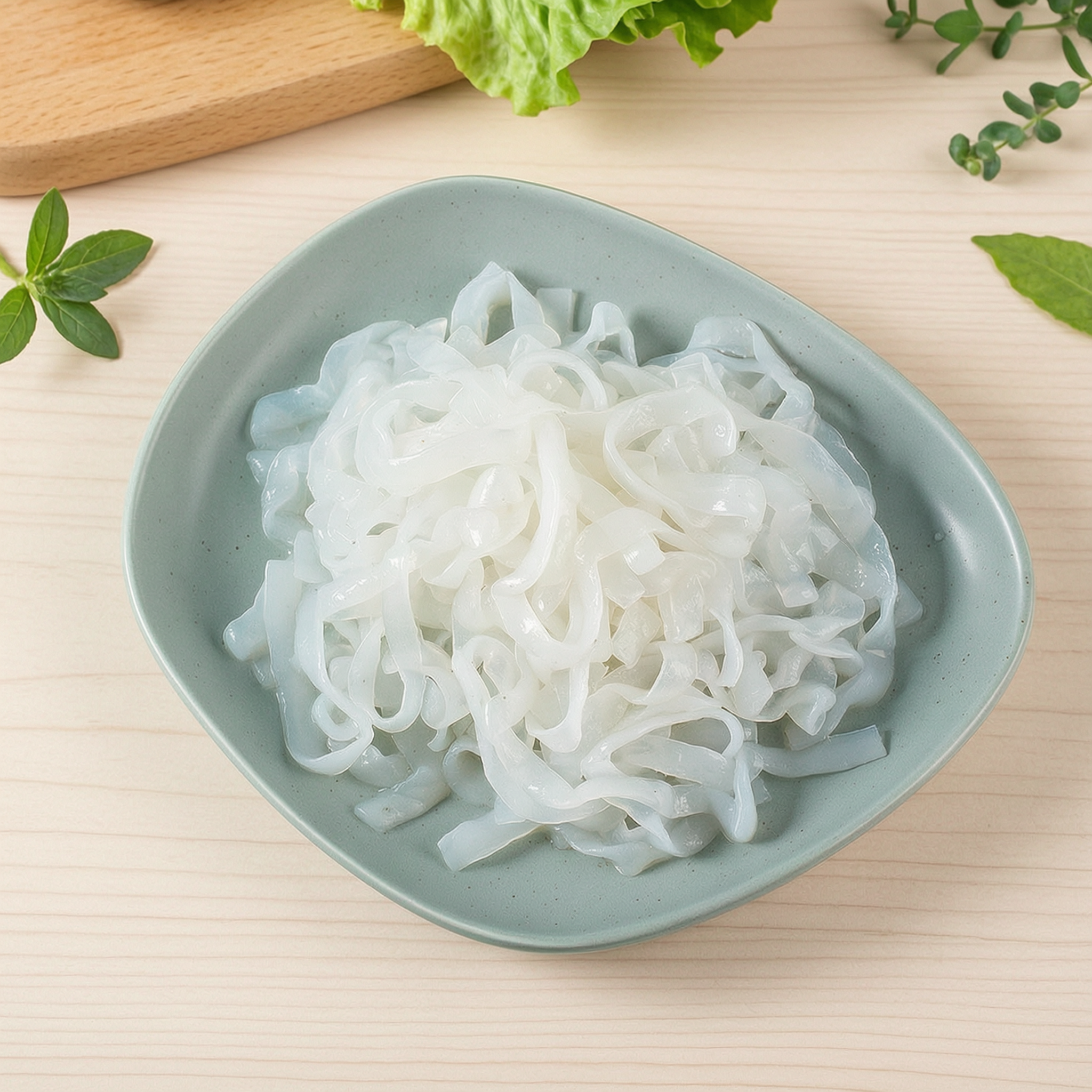
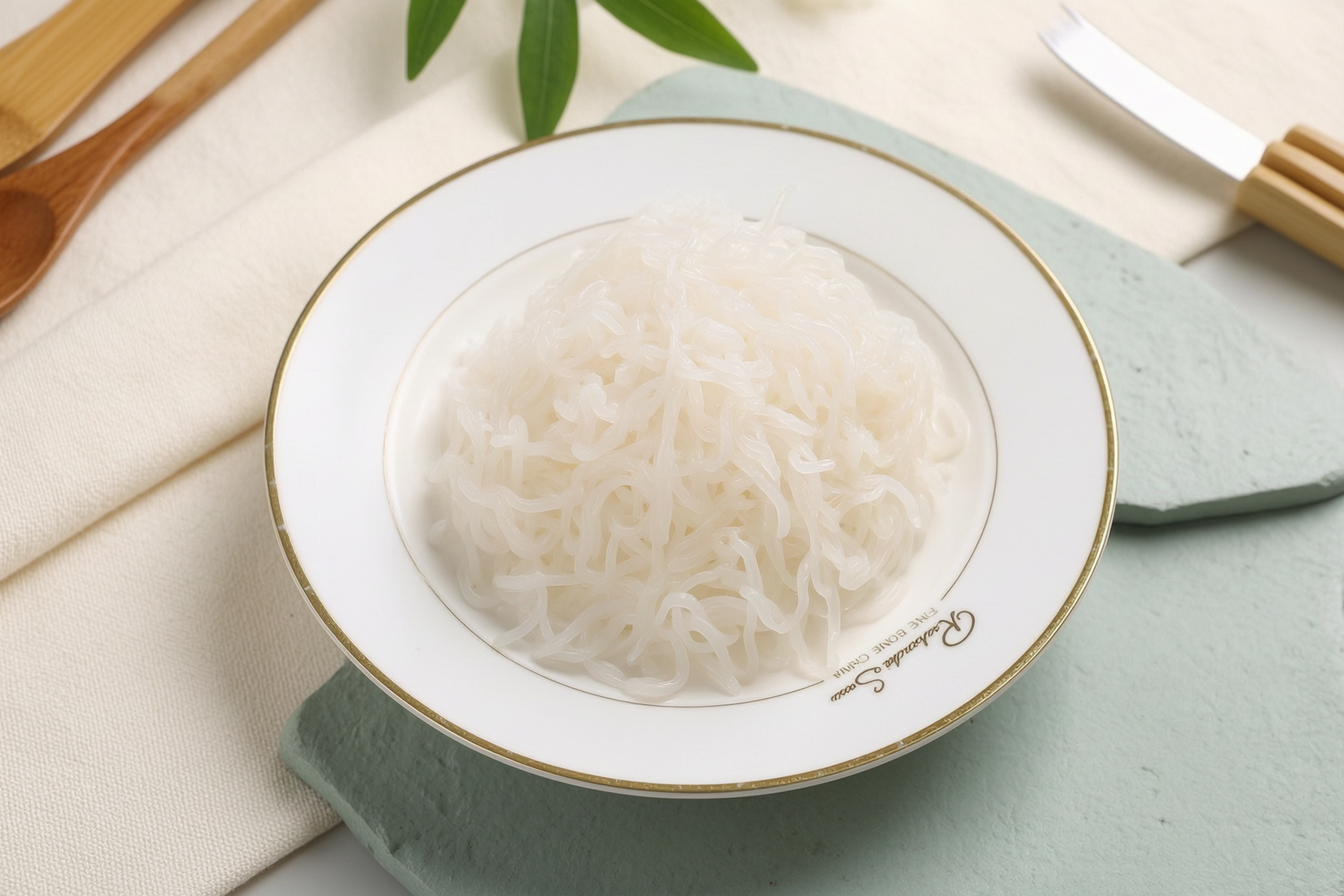
Dried or fresh konjac noodles? The right choice depends on your market, channel, and supply chain. This guide compares shelf life, shipping costs, convenience, pricing, certifications, and target markets — helping food brands, distributors, and retailers decide which format fits their business best.
Konjac glucomannan is one of the few natural ingredients with a scientifically proven mechanism for enhancing satiety. It absorbs up to 50 times its weight in water, slows gastric emptying, modulates hunger hormones, and ferments in the gut to produce satiety-promoting short-chain fatty acids — all with virtually zero calories. Learn why this makes konjac a powerful tool for weight management products and a strategic ingredient for food brands.
Konjac is one of the few ingredients that naturally fits low-carb, keto, gluten-free, vegan, and clean-label diets — all at once. With near-zero net carbs, gluten-free certification, plant-based sourcing, and a simple ingredient list, konjac offers brands broader market reach with a single product. Learn why this versatile ingredient is becoming essential for food manufacturers targeting multiple dietary tribes.
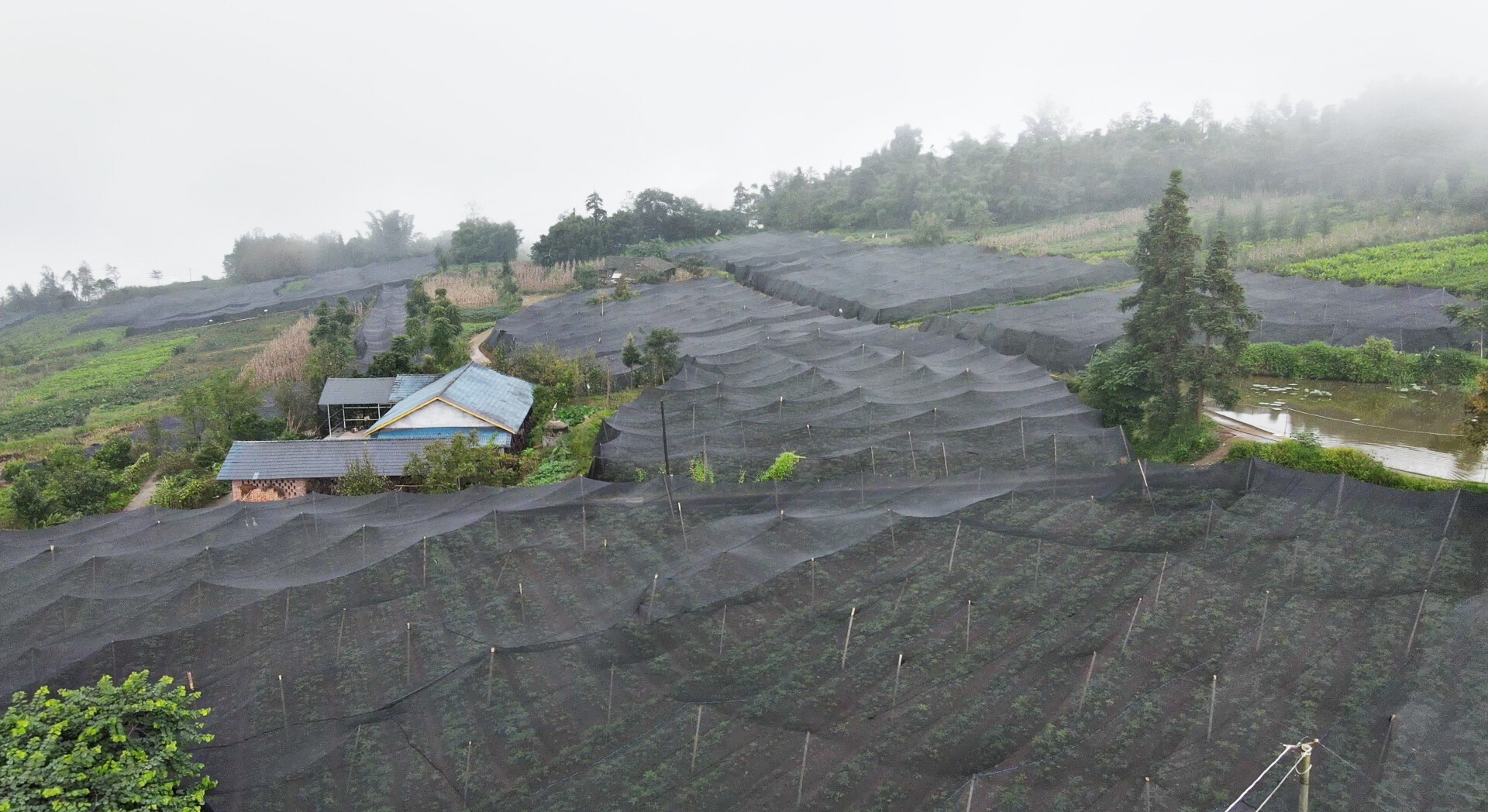
Traceability is no longer optional in the food industry—it's a requirement. For B2B buyers sourcing konjac products, full traceability from seed to shelf ensures food safety, quality consistency, regulatory compliance, and brand protection. This article explains what traceability looks like in practice, the role of certifications like BRC, IFS, FDA, Organic, Kosher, and Halal, and how suppliers with proprietary planting bases can deliver 100% transparency.
Konjac is transitioning from a niche Asian ingredient to a mainstream plant-based food component in 2026. The global market is projected to reach USD 1.52 billion this year, driven by the “fiber-maxxing” trend, clean-label formulation demand, and plant-based meat innovation. Learn about the latest market data, consumer trends, product innovations, and what B2B buyers should know when sourcing konjac products.
Vertical integration in the konjac industry means controlling the entire value chain—from proprietary planting bases to finished product export. For B2B buyers, this translates into consistent quality, reliable supply, competitive pricing, and full traceability. China dominates over 70% of global konjac production, and vertically integrated suppliers within major producing regions offer significant advantages over intermediaries. This article explores how planting base ownership, quality control, cost efficiency, and supply chain stability create a competitive edge for konjac suppliers—and what buyers should look for when evaluating partners.
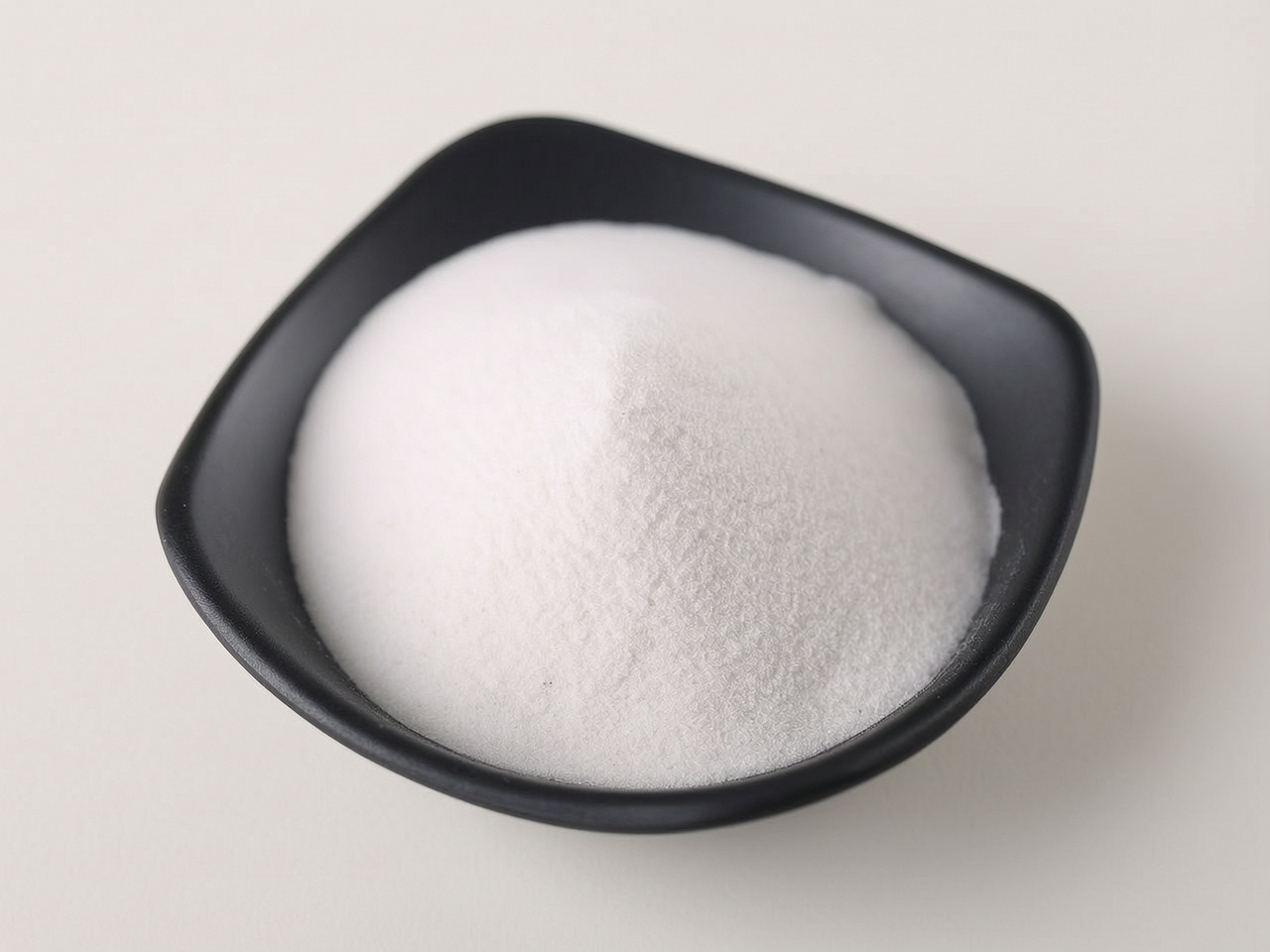
Konjac glucomannan is the only weight-loss supplement with an EFSA-approved health claim. Recent clinical trials show significant reductions in body weight (up to 2.77 kg), BMI, body fat percentage, and LDL cholesterol. Learn how this natural soluble fiber supports weight management through satiety, fat loss, and metabolic regulation — backed by peer-reviewed science and regulatory recognition.
The global konjac market is projected to reach $2.5 billion by 2033, with North America growing at 9.08% CAGR—the fastest of any region. EFSA-approved health claims, the rise of “fiber-maxxing,” zero-carb keto appeal, and ready-to-eat product innovation are driving konjac from niche Asian ingredient to mainstream US and European supermarket staple.
Discover why organic konjac is emerging as a global superfood. Learn about its health benefits, market growth, sustainability advantages, and how Ransider delivers premium organic konjac products for wholesale and OEM partnerships.
An overview of the growing global demand for konjac products and emerging opportunities in key markets.
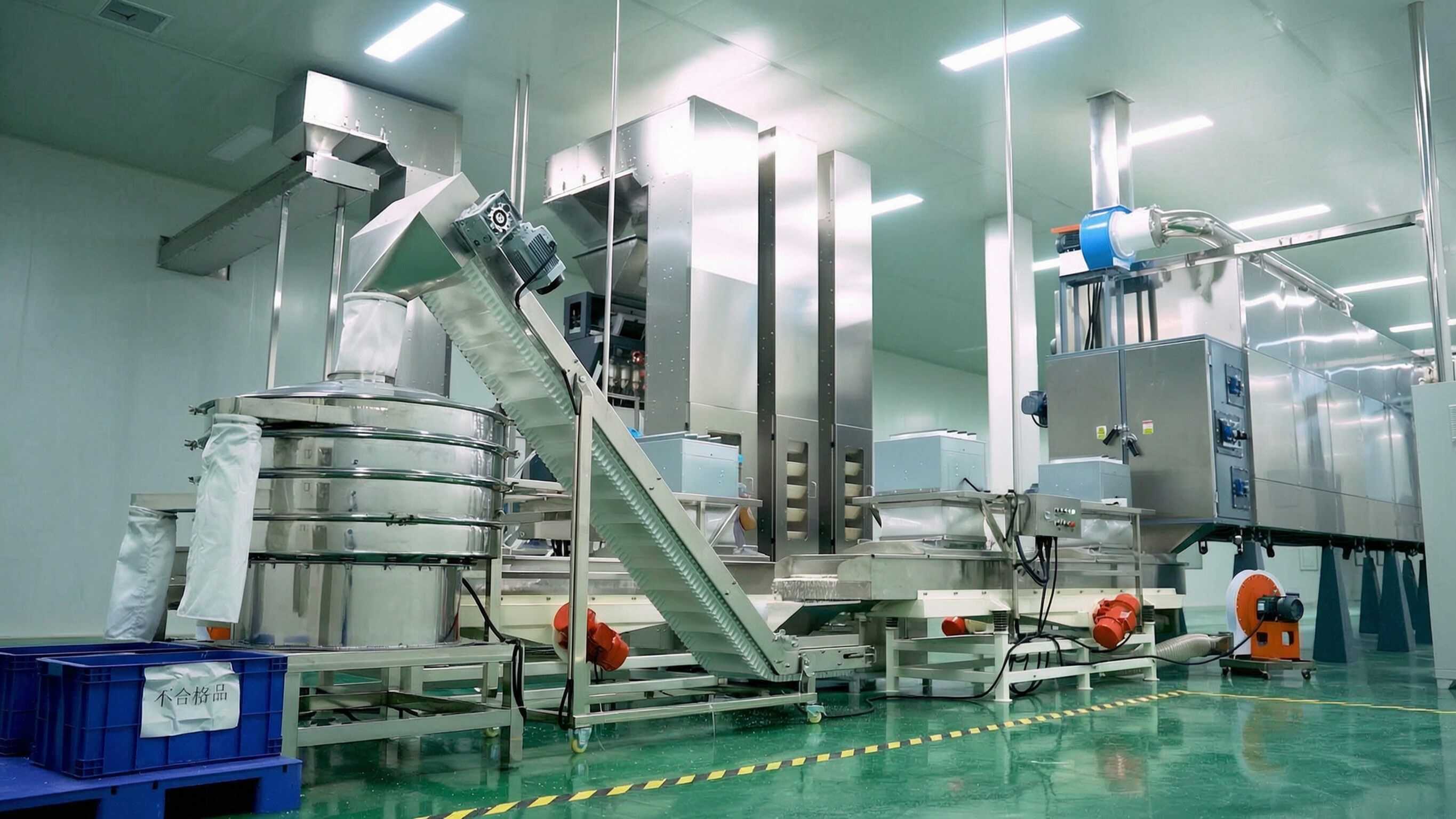
A comprehensive guide to konjac production standards, quality control processes, and certification requirements for B2B buyers. Covers Chinese national standards (GB 1886.301-2022, GB/T 41811-2022, NY/T 494-2010), international certifications (BRC, IFS, FDA, Organic, Kosher, Halal, HACCP), the full production process from raw material selection to sterilization, and key quality indicators including glucomannan purity requirements for food-grade and EU markets. Essential reading for importers, distributors, and food brands sourcing konjac products.
Everything international buyers need to know about konjac food products, from sourcing to quality standards.
Discover why konjac dietary fiber (glucomannan) is gaining attention in the global health food market.
Learn how konjac products are becoming the go-to choice for gluten-free and ketogenic diet followers worldwide.