Farm to Table: The Importance of Traceability in the Konjac Supply Chain
Traceability is no longer optional in the food industry—it's a requirement. For B2B buyers sourcing konjac products, full traceability from seed to shelf ensures food safety, quality consistency, regulatory compliance, and brand protection. This article explains what traceability looks like in practice, the role of certifications like BRC, IFS, FDA, Organic, Kosher, and Halal, and how suppliers with proprietary planting bases can deliver 100% transparency.
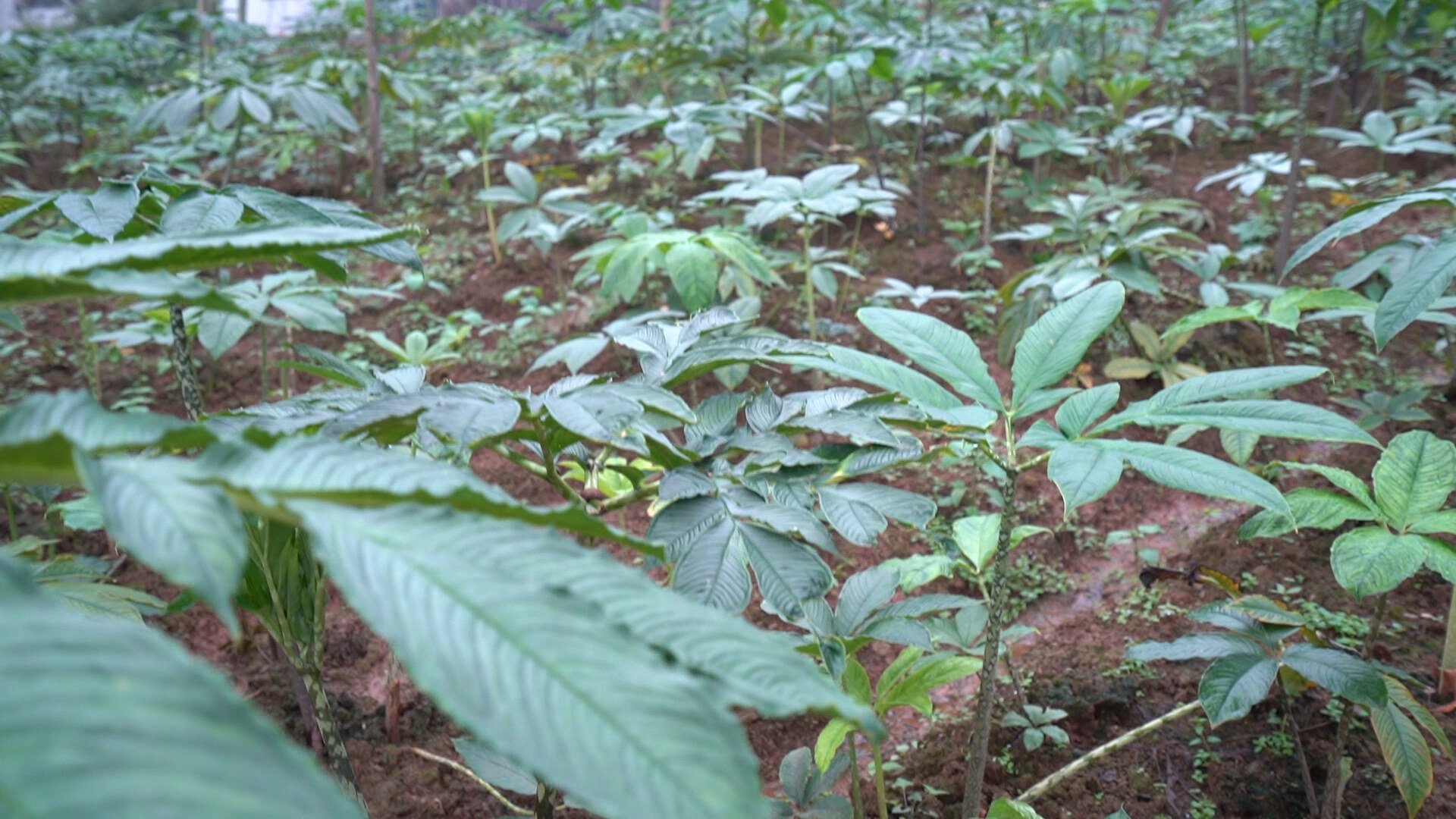
Farm to Table: The Importance of Traceability in the Konjac Supply Chain
In the food industry, traceability is no longer a “nice to have.” It’s a requirement.
Retailers demand it. Regulators enforce it. Consumers expect it. And for B2B buyers sourcing konjac products, the ability to trace every batch from the field to the finished product is a critical factor in supplier selection.
But traceability in the konjac supply chain is not easy. Unlike widely cultivated crops such as wheat or corn, konjac is a niche, seasonal tuber with a complex processing chain. Without a vertically integrated supply chain and strict documentation at every step, traceability gaps emerge—and those gaps create real risks for buyers.
This article explains why traceability matters in the konjac industry, what it looks like in practice, and how suppliers can ensure full transparency from seed to shelf.
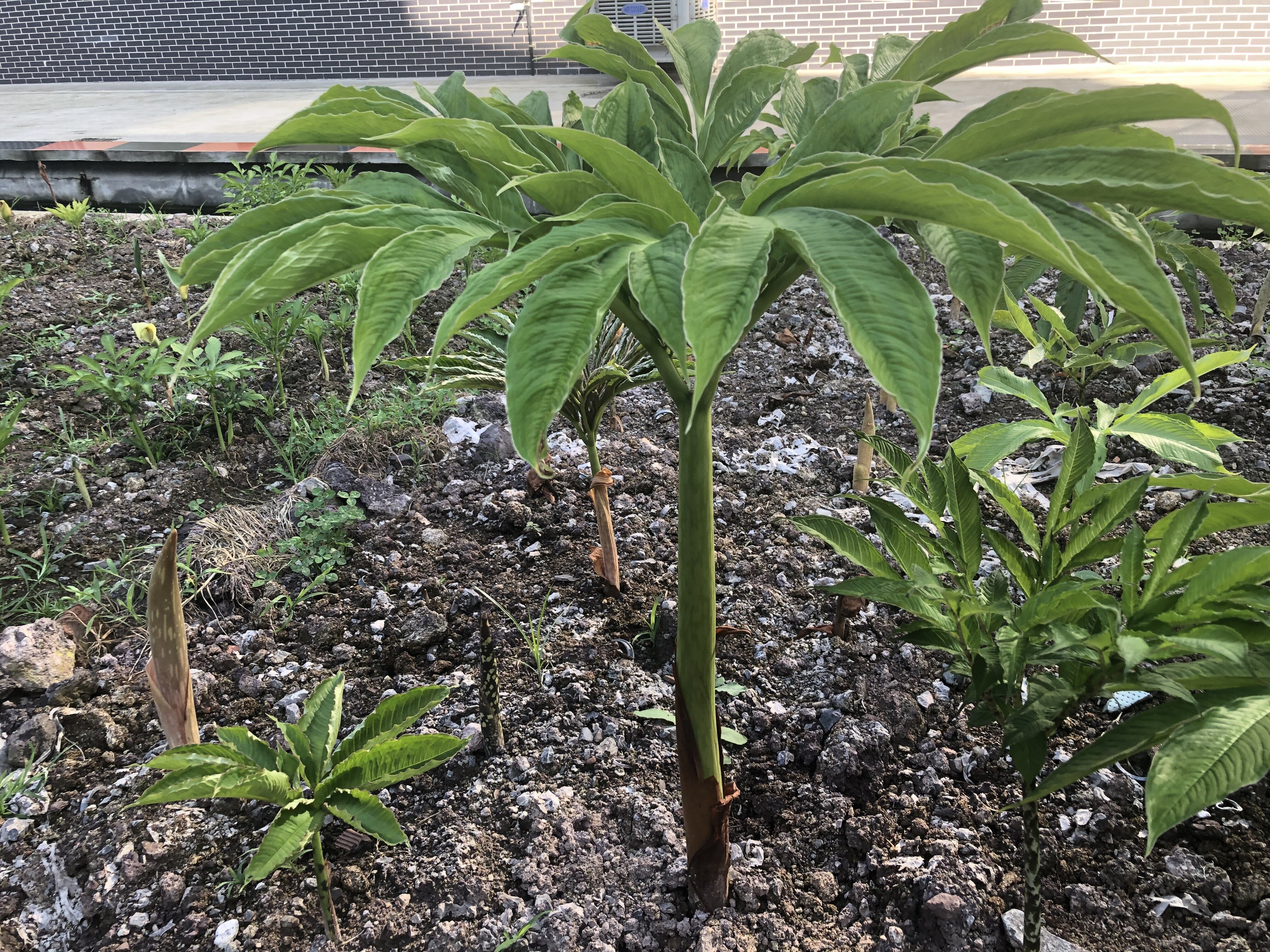
Why Traceability Matters in the Konjac Supply Chain
1. Food Safety and Regulatory Compliance
Konjac products are exported to markets with strict food safety regulations. The European Union, the United States, and major retailers like Carrefour, Tesco, and Walmart all require documented traceability systems.
In the EU, Regulation (EC) No 178/2002 mandates that food businesses must be able to identify the source of all ingredients and track products through all stages of production and distribution. In the US, the FDA’s Food Safety Modernization Act (FSMA) requires similar traceability records for high-risk foods.
For konjac products, this means buyers need to know:
Where the raw konjac tubers were grown
When they were harvested
How they were processed
What quality tests were performed
When and how the finished product was shipped
Without this documentation, products can be rejected at the border, delayed in customs, or recalled—costly consequences that no buyer wants to face.
2. Quality Consistency
Konjac quality varies significantly depending on growing conditions, harvest timing, and processing methods. The key functional component—glucomannan—can range from 70% to over 95% purity depending on the source.
Traceability allows buyers to verify:
The origin of raw materials
The glucomannan content of each batch
Whether the product meets specifications
When a supplier can trace every batch back to a specific field and harvest date, buyers gain confidence that quality will be consistent from order to order.
3. Risk Management
Supply chain disruptions happen. Harvests fail. Shipments get delayed. When a problem occurs, traceability determines how quickly a supplier can respond.
A supplier with full traceability can:
Identify the affected batch immediately
Isolate the problem
Provide replacement products quickly
Prevent similar issues in the future
A supplier without traceability, by contrast, may struggle to even identify which batch is problematic—leading to broader recalls and greater financial loss.
4. Brand Protection
For food brands, a single recall or safety incident can damage reputation for years. Traceability is a brand protection tool. It demonstrates a commitment to quality and safety that consumers increasingly demand.
In the konjac category, where consumer awareness is growing but still developing, traceability helps build trust. Brands that can confidently say “we know exactly where our konjac comes from” have a competitive advantage.
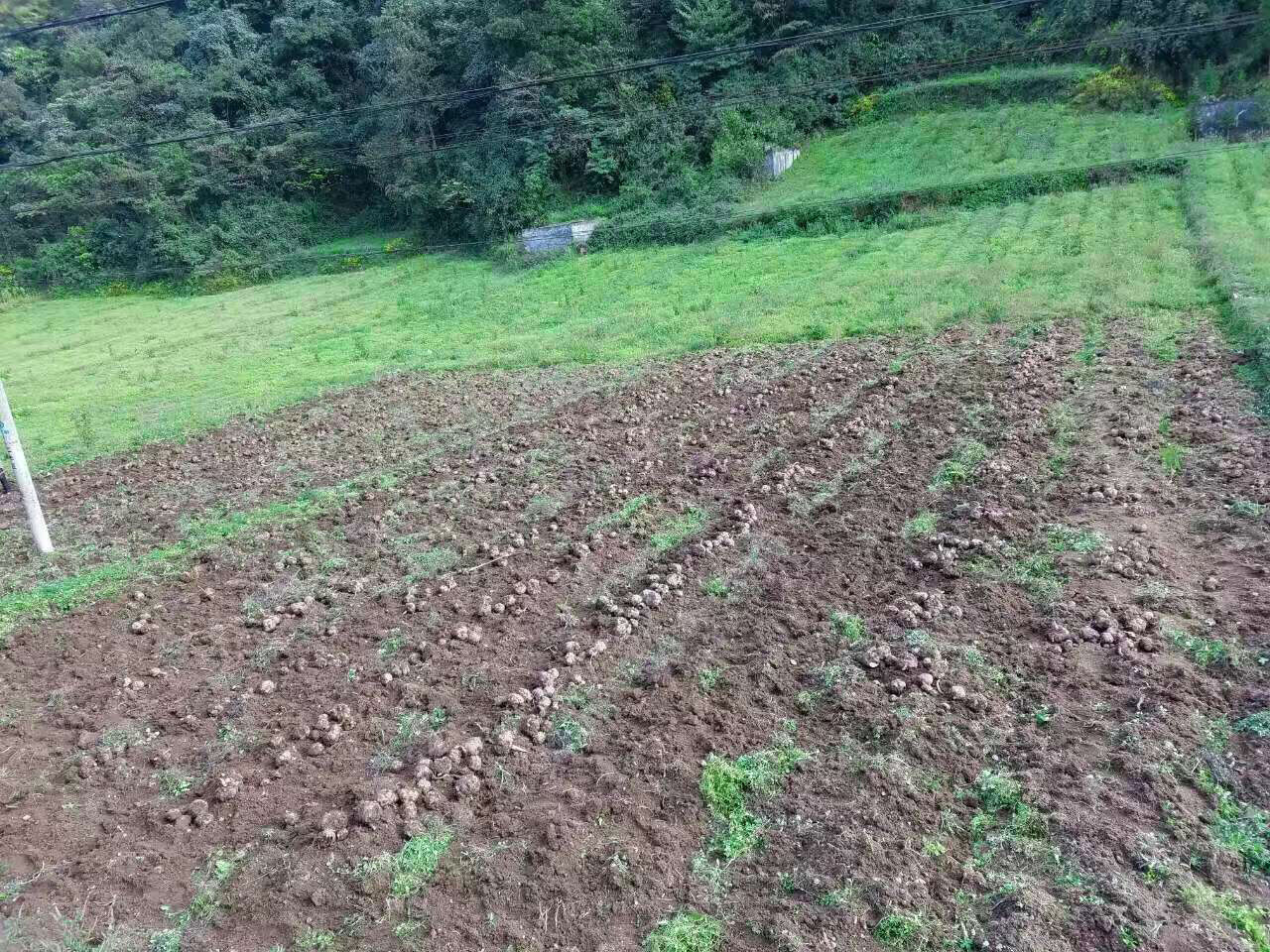
What Traceability Looks Like in Practice
Traceability is not a single document—it’s a system that covers every stage of the supply chain.
Stage 1: Planting
Traceability begins at the planting base. Reputable suppliers with proprietary farms document:
Field location and soil conditions
Seed variety and planting date
Farming practices (organic or conventional)
Use of fertilizers or pesticides (if any)
For organic products, this documentation is even more critical—certification bodies require detailed records to verify organic integrity.
Stage 2: Harvesting
Harvest timing directly affects glucomannan content. Suppliers with traceability systems record:
Harvest date
Tuber quality (size, appearance, any defects)
Glucomannan content at harvest
Batch identification
This information allows buyers to verify that raw materials meet specifications before processing begins.
Stage 3: Processing
Processing transforms raw tubers into konjac flour, glucomannan powder, or finished products. Traceability at this stage includes:
Processing date and facility
Equipment and production line used
Quality tests performed (moisture, viscosity, purity)
Batch numbers linked to raw material batches
For products with certifications like BRC, IFS, or Organic, this documentation is audited regularly by third-party certifiers.
Stage 4: Packaging and Export
The final stage covers packaging, storage, and shipping. Traceability records include:
Packaging date and materials used
Storage conditions (temperature, humidity)
Shipping date, carrier, and destination
Container or lot numbers
This ensures that if a problem occurs after the product leaves the factory, the supplier can still identify the source and take corrective action.
The Role of Certifications in Traceability
Third-party certifications provide independent verification that a supplier’s traceability system meets international standards.
Certification | What It Verifies |
|---|---|
BRC | Food safety, quality management, and traceability systems for UK and global retail |
IFS | Food safety and quality standards for European retail |
FDA | US market compliance, including facility registration and FSMA requirements |
Organic | EU and USDA organic production, including traceability from farm to finished product |
Kosher | Jewish dietary compliance, including ingredient sourcing and production |
Halal | Islamic dietary compliance, including ingredient sourcing and production |
For B2B buyers, these certifications are a shortcut to verifying a supplier’s traceability claims. A supplier with BRC and IFS certification, for example, has undergone rigorous audits that include traceability testing.
How Ransider Ensures Full Traceability
At Ransider, traceability is not an afterthought—it’s built into every step of our supply chain.
Proprietary Planting Base
We operate our own konjac planting base, giving us complete control over raw material quality from the very first step. This means we can document every field, every harvest, and every batch of tubers.
Standardized Farming Practices
Our farming team follows standardized protocols for planting, fertilization, and harvest timing. This ensures consistent glucomannan content and reduces variability between batches.
Batch-Level Tracking
Every batch of konjac products is assigned a unique identifier that links back to:
The field where it was grown
The harvest date
The processing date and facility
Quality test results
Shipping records
This level of detail allows us to trace any product from your warehouse back to the farm—in minutes, not days.
Third-Party Certifications
Our facilities are certified by BRC, IFS, FDA, Organic, Kosher, and Halal. These certifications require regular audits of our traceability systems, providing independent verification of our processes.
100% Traceability from Seed to Shelf
We are proud to offer our B2B partners 100% traceability—from the seed planted in our fields to the finished product delivered to your door. This is not just a claim; it’s a documented, auditable process that gives our customers confidence in every order.
What Buyers Should Look For
When evaluating konjac suppliers, ask these questions:
Do you have your own planting base? – This is the foundation of traceability.
Can you provide documentation for each batch? – Ask for harvest records, processing logs, and quality test reports.
What certifications do you hold? – BRC, IFS, FDA, Organic, Kosher, and Halal are strong indicators of traceability systems.
How do you handle recalls or quality issues? – A supplier with full traceability can respond quickly and effectively.
Can you trace a finished product back to the farm? – This is the ultimate test of a traceability system.
Conclusion
In the konjac supply chain, traceability is not optional. It’s a prerequisite for food safety, quality consistency, regulatory compliance, and brand protection.
For B2B buyers, choosing a supplier with full traceability is one of the most important decisions you can make. It reduces risk, ensures quality, and protects your brand.
At Ransider, we’ve built our entire operation around traceability—from our proprietary planting base to our certified processing facilities. When you partner with us, you’re not just buying konjac products. You’re buying confidence, transparency, and a supply chain you can trust.
Ransider is a konjac food supplier built on 20+ years of manufacturing expertise. Our proprietary planting base and vertically integrated operations ensure 100% traceability from seed to shelf. BRC, IFS, FDA, Organic, Kosher, and Halal certified. Contact us for wholesale inquiries and free samples.