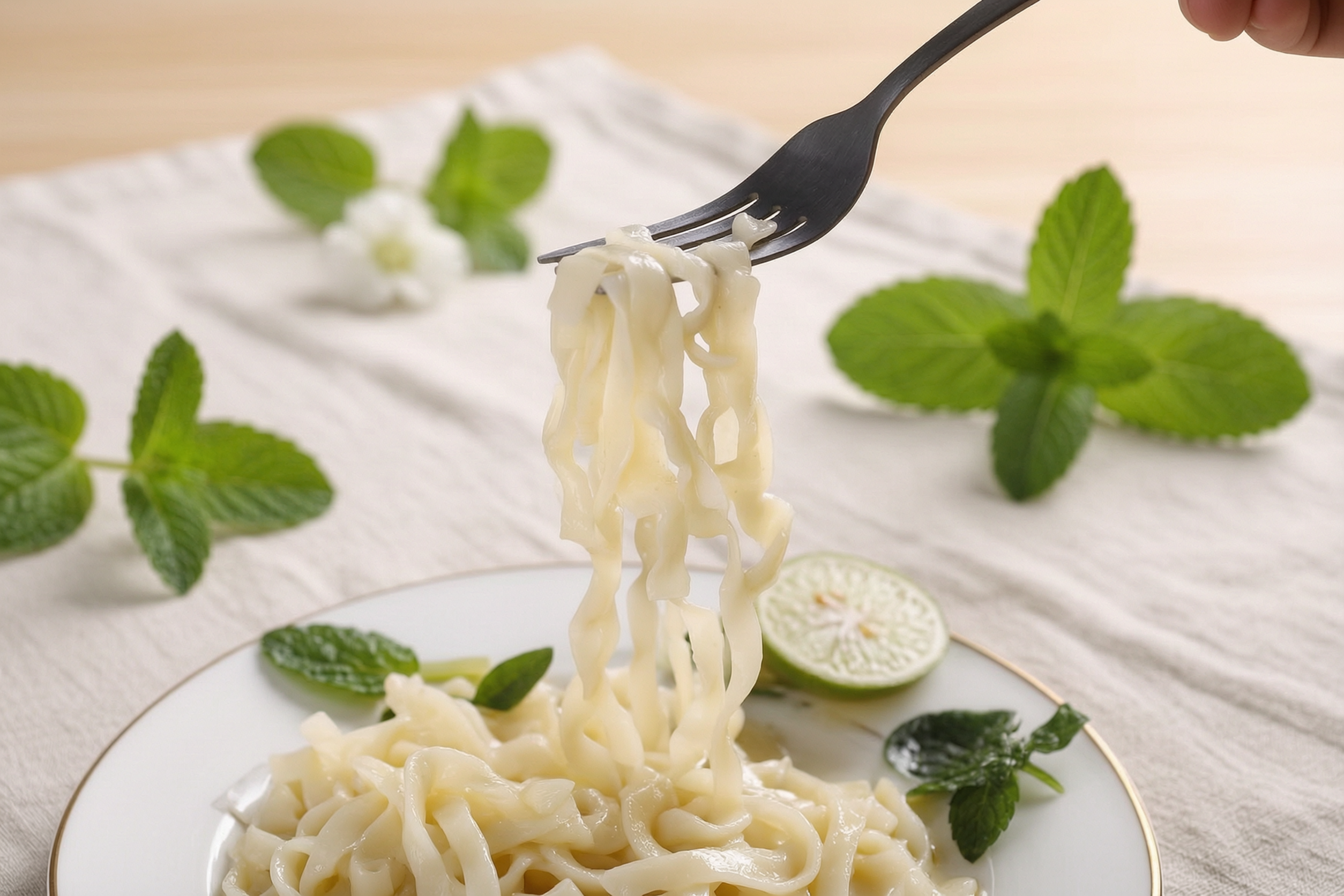
Konjac in 2026: The Plant-Based Ingredient Everyone’s Talking About
Konjac is transitioning from a niche Asian ingredient to a mainstream plant-based food component in 2026. The global market is projected to reach USD 1.52 billion this year, driven by the “fiber-maxxing” trend, clean-label formulation demand, and plant-based meat innovation. Learn about the latest market data, consumer trends, product innovations, and what B2B buyers should know when sourcing konjac products.
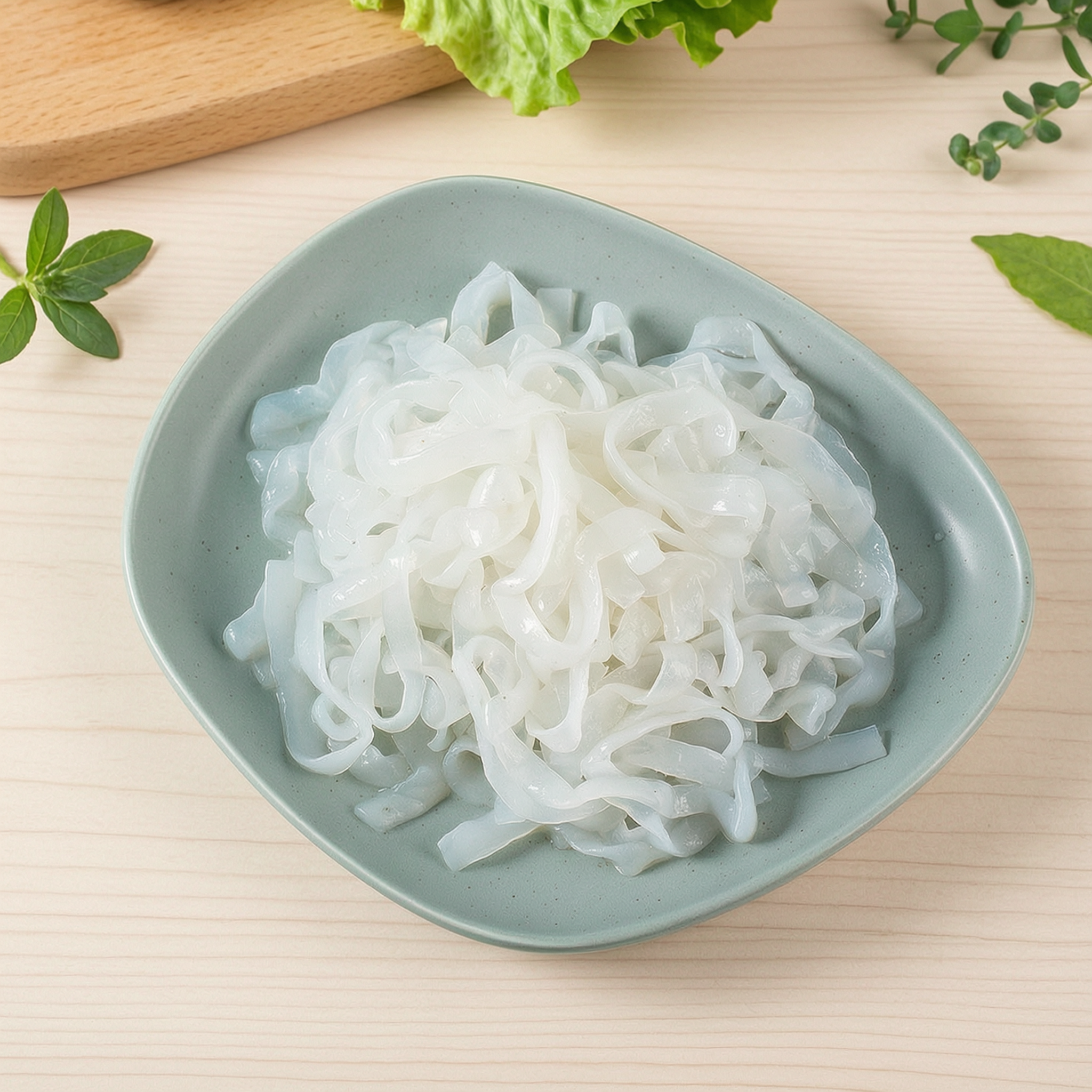
Konjac in 2026: The Plant-Based Ingredient Everyone’s Talking About
Something remarkable is happening in the food industry. An ingredient that was once confined to Asian specialty stores is now appearing on supermarket shelves across North America and Europe—and consumers can't get enough of it.
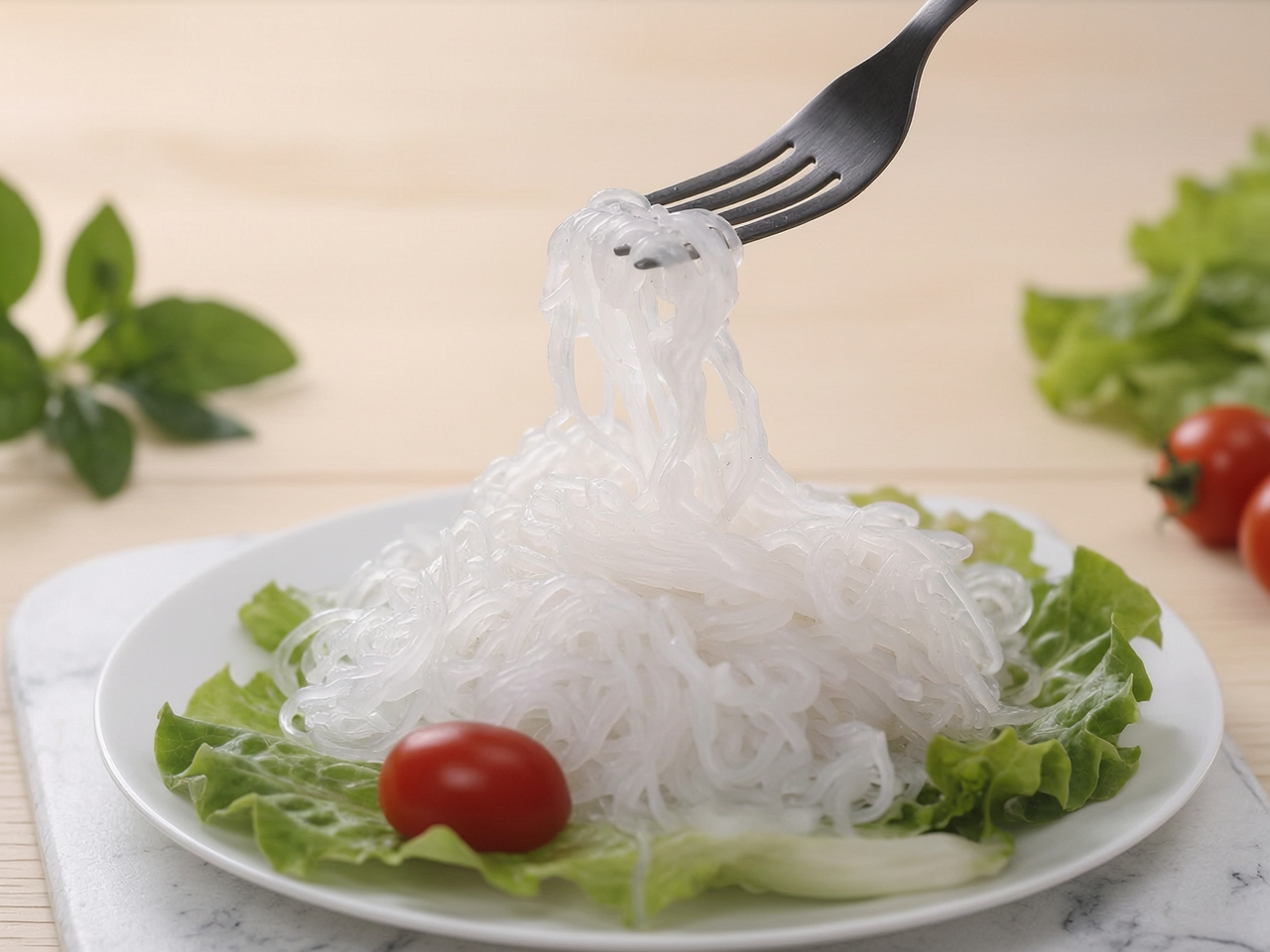
Konjac has gone mainstream.
In 2026, this humble root vegetable has become one of the most talked-about ingredients in the plant-based food space. From TikTok “fiber-maxxing” trends to Whole Foods Market's annual trend predictions, konjac is everywhere. Here's why—and what it means for B2B buyers, food brands, and suppliers.
From Niche Asian Ingredient to Global Functional Food
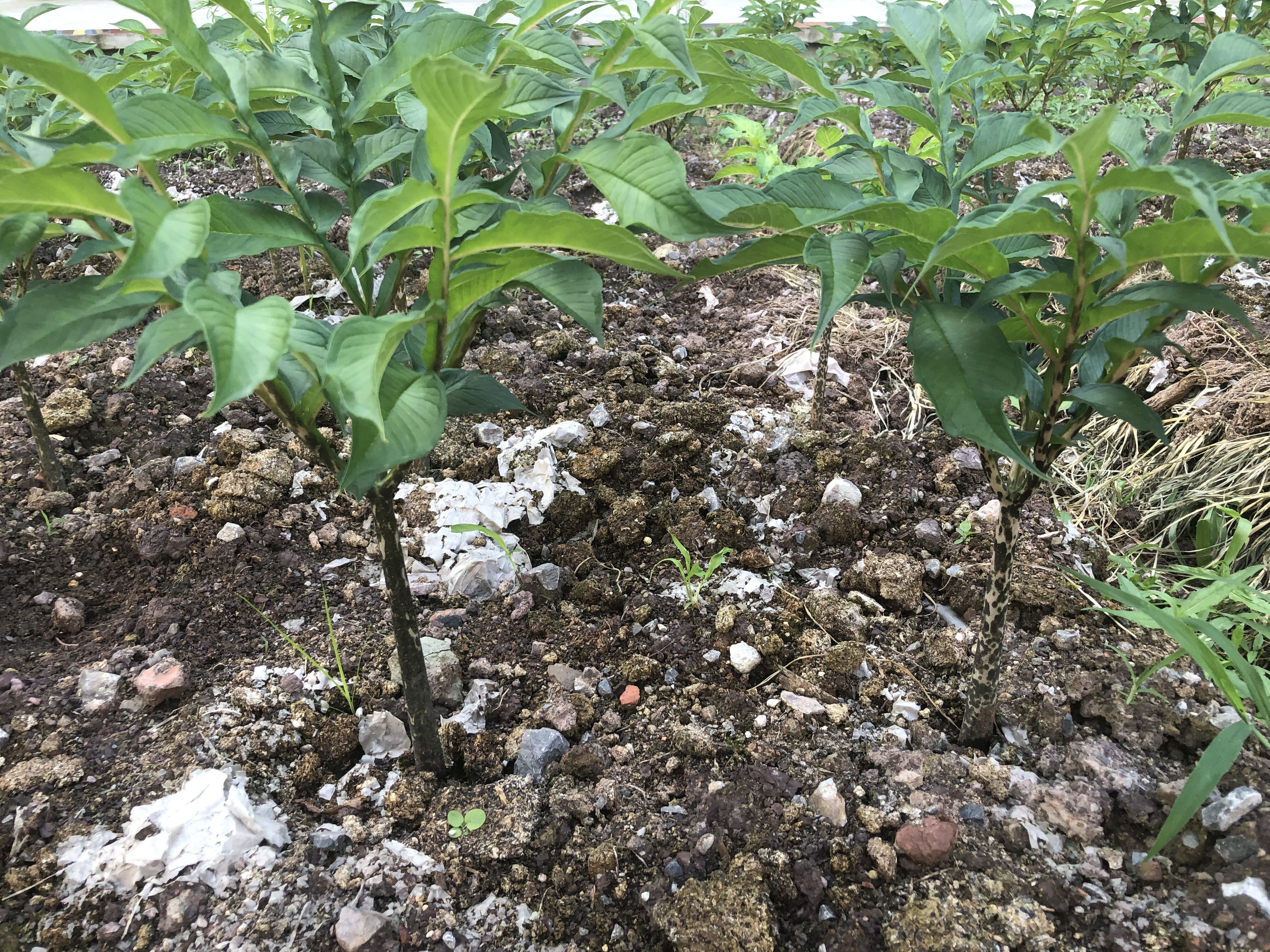
Konjac (Amorphophallus konjac) has been cultivated and consumed in Asia for centuries. The Japanese have enjoyed shirataki noodles for generations. In China, konjac tofu and konjac snacks are everyday foods. But outside Asia, konjac remained largely unknown—until now.
The global konjac market tells the story. Valued at approximately USD 1.43 billion in 2025, it is projected to reach USD 1.52 billion in 2026 and USD 1.92 billion by 2031, growing at a CAGR of 6.60%. Some analysts project even stronger growth, with the market reaching USD 2.55 billion by 2032 at a CAGR of 8.86%.
The konjac root fiber market—a critical subsegment—is expanding even faster. According to Stratistics MRC, the global konjac root fiber market is valued at USD 513.2 million in 2026 and is expected to reach USD 1,068.9 million by 2034, growing at a CAGR of 9.6%.
This is not a niche trend. This is a category entering its growth phase.

The “Fiber-Maxxing” Phenomenon
Perhaps the most visible cultural driver of konjac's mainstream adoption is the rise of “fiber-maxxing”—a TikTok-led wellness movement where consumers actively seek to maximize their daily fiber intake.
Whole Foods Market named “Focus on Fibre” as one of its top food trends for 2026, noting that gut health and satiety will dominate consumer demand. The retailer specifically identified konjac as a top ingredient in plant-based, ready-to-eat meals, alongside cassava and chicory.
The numbers support this shift. In the 2025 IFIC Food & Health Survey, 28% of Americans identified “good source of fiber” as a criterion for defining a healthy food, while 16% cited “low calorie”. Konjac delivers both—with glucomannan, its key functional component, containing up to 80% dietary fiber.
What's particularly notable is the demographic shift. Fiber is moving from its perceived appeal with older consumers to younger shoppers actively seeking prebiotic fibers and gut health benefits. Brands that position konjac products around digestive wellness and satiety are reaching a new generation of health-conscious consumers.
The Plant-Based Meat Revolution
One of the most exciting developments for konjac in 2026 is its emergence as a clean-label alternative to synthetic binders in plant-based meat products.
Research published in 2026 has investigated konjac glucomannan (KGM) as a natural substitute for methylcellulose—a synthetic binder widely used in plant-based burger patties. The findings demonstrate that deacetylated KGM is a “promising natural alternative for enhancing the texture of plant-based meat analogues”.
This matters because the plant-based meat industry has struggled with consumer skepticism toward long ingredient lists and synthetic additives. Konjac offers a solution: a natural, plant-derived hydrocolloid that provides the binding and texture enhancement manufacturers need, without compromising clean-label positioning.
Beyond patties, research is exploring konjac's role in cultured meat scaffolds, plant-based fat analogues, and textured fibrous protein systems—all emerging applications that could expand the market further.
Clean-Label Formulation: A Strategic Opportunity
The clean-label movement is accelerating konjac adoption across multiple food categories. Food manufacturers are reformulating products to reduce calories, carbohydrates, sugar, and fat—and konjac's gel-forming and thickening properties directly support these goals.
Unlike synthetic hydrocolloids, konjac is a natural, recognizable ingredient that consumers can understand and trust. As buyers prioritize traceability, purity, and label-friendly functionality, konjac is becoming a strategic ingredient for manufacturers seeking texture, satiety, and fiber enrichment without compromising sensory performance.
Mordor Intelligence estimates that the growing use of konjac as a clean-label hydrocolloid contributes a +0.8% impact on market CAGR, with adoption concentrated in North America and the European Union. This trend is still in its early stages—meaning significant room for growth remains.
Product Innovation: Beyond Noodles
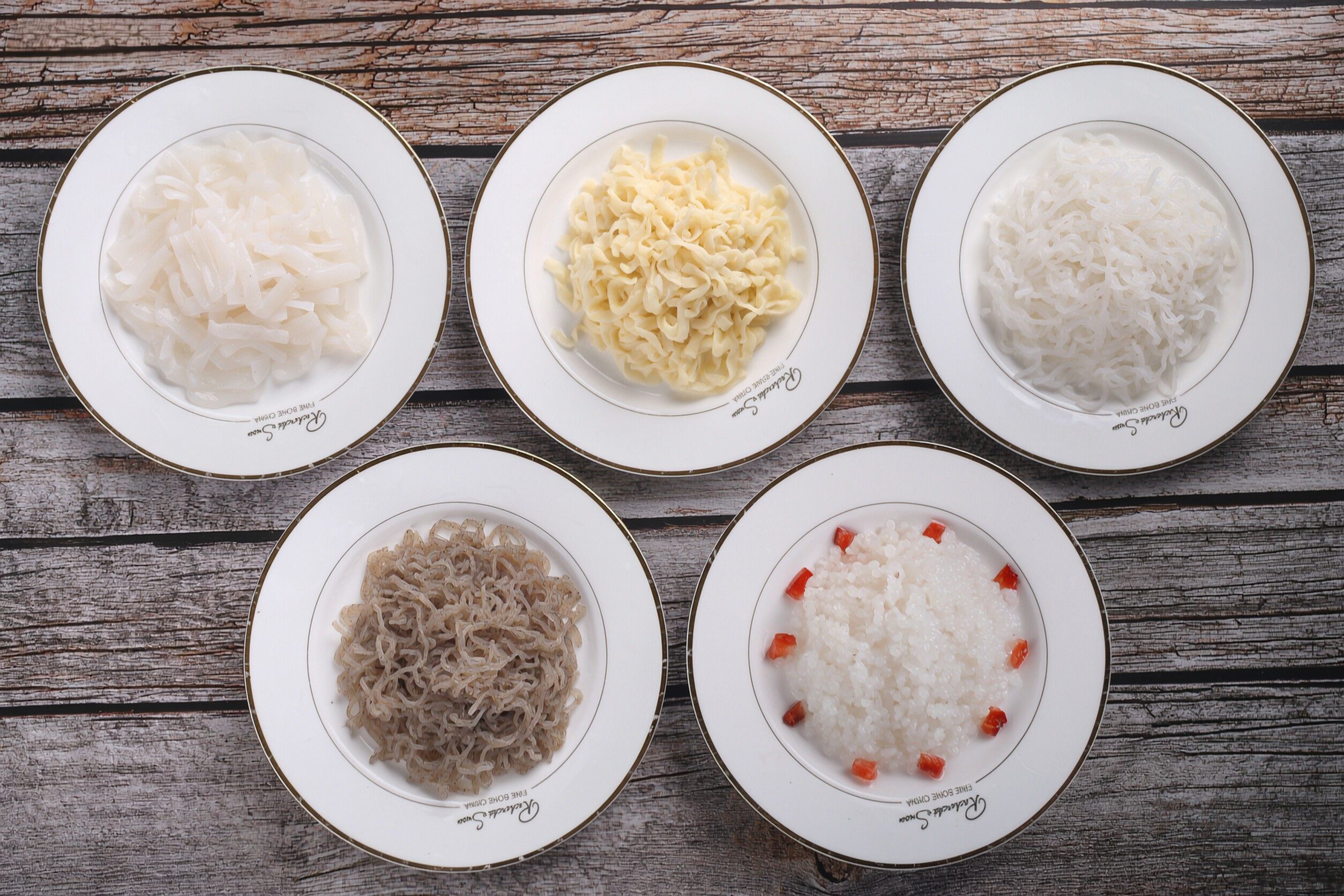
Konjac is no longer just a bag of shirataki noodles on a specialty shelf. The category is diversifying rapidly.
Ready-to-eat konjac meals are gaining traction with convenience-focused consumers. At the 2026 K-Food Fair, konjac jelly and protein drinks were highlighted as products “blending the allure of Korean cuisine with wellness goals”.
Konjac rice alternatives are being adopted by carb-conscious consumers seeking healthier substitutes for traditional rice. The product category continues to expand with innovations in texture and flavor.
Functional beverages are incorporating konjac glucomannan for its satiety and fiber benefits. The market for konjac-based functional drinks is projected to grow as consumers seek convenient ways to increase fiber intake.
Cosmetic applications are also emerging. Cosmetic manufacturers are increasingly adopting biodegradable konjac ingredients to satisfy sustainability objectives and replace synthetic exfoliating materials.
The common thread across all these innovations is convenience and functionality. Consumers want healthy options that are easy to incorporate into daily life—and konjac delivers.
Consumer Perception: Strong Interest, Room for Education
Consumer research reveals both the promise and the challenge for konjac products.
A 2026 study analyzing online review big data found that konjac noodles were “strongly linked to weight management” in consumer perception. However, the same research noted that konjac noodles were “restricted by sensory dissatisfaction”—particularly around texture.
This finding highlights an important opportunity for brands and manufacturers: improving texture and mouthfeel is the single most impactful way to increase consumer acceptance. Products that address this challenge—such as oat konjac noodles with improved texture—are well-positioned to capture the growing demand.
As one industry analysis noted, konjac root fiber faces challenges with texture and taste in food formulations, as the gel-like texture may not appeal to all consumers. Manufacturers must find innovative solutions to these problems to win over customers.
What This Means for B2B Buyers and Suppliers
For food brands, distributors, and retailers, the message is clear: konjac is entering the mainstream, and the window of opportunity is now.
Market Size and Growth Trajectory
Region | Current Status | Growth Outlook |
|---|---|---|
Asia-Pacific | Largest market share (45.68%) | Steady growth driven by traditional consumption and export demand |
North America | Fastest-growing region | CAGR of 9.08% through 2031, driven by health-conscious consumers |
Europe | Mature, regulation-driven market | EFSA-approved health claims support product development |
Emerging Markets | Early-stage adoption | Expanding as global supply chains mature |

Key Buyer Considerations
1. Texture matters most. Consumer reviews consistently cite texture as the primary barrier to konjac adoption. Suppliers that can offer improved texture formulations have a competitive advantage.
2. Certifications open doors. BRC and IFS certifications are non-negotiable for European retail access. FDA registration is essential for the US market. Organic, Kosher, and Halal certifications expand addressable markets.
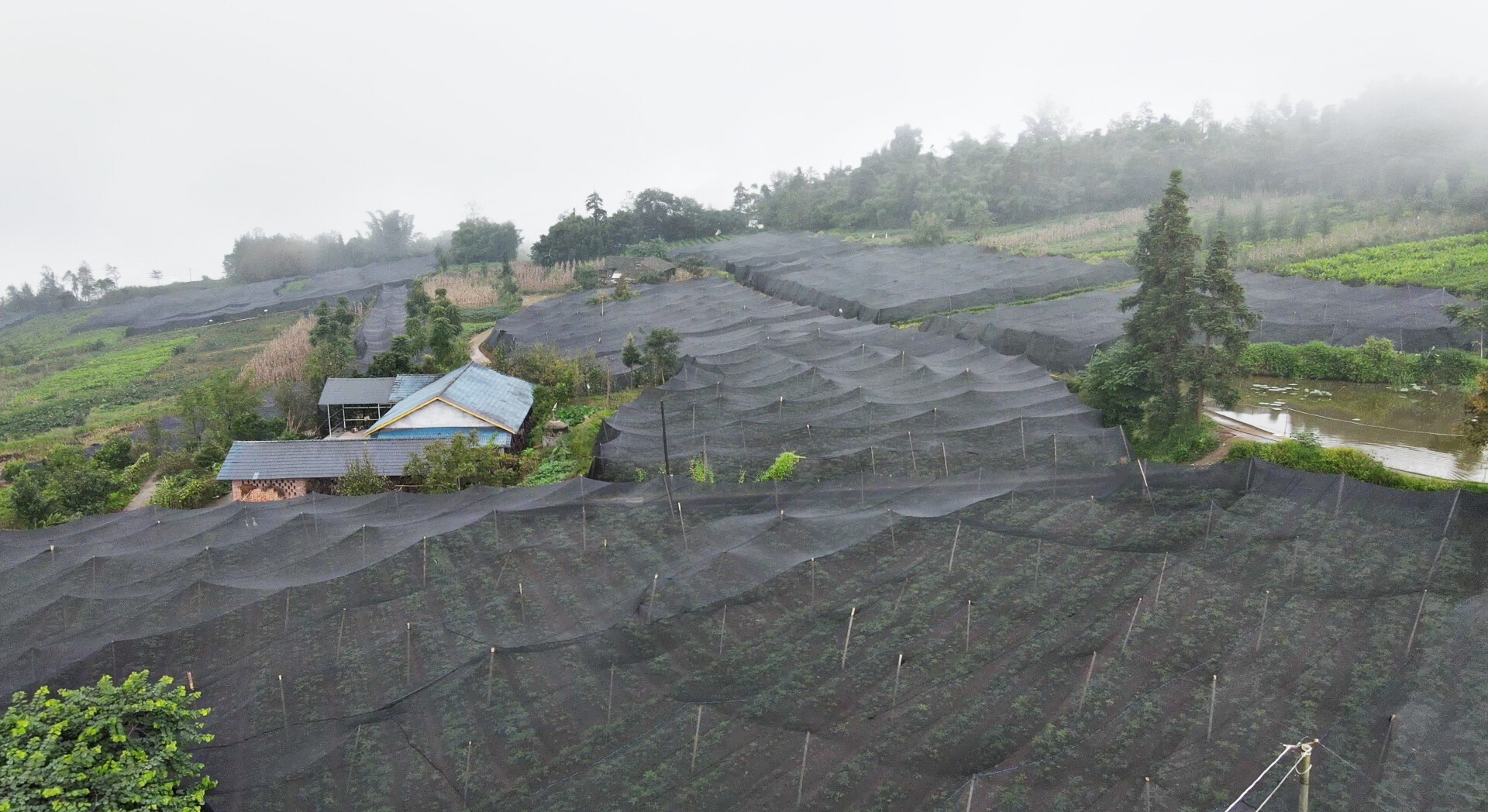
3. Traceability is increasingly required. Buyers prioritize transparency from seed to shelf. Suppliers with proprietary planting bases and vertically integrated operations are best positioned to meet this demand.
4. Product diversification creates value. Moving beyond basic noodles to ready-to-eat meals, rice alternatives, functional beverages, and clean-label binders captures higher margins and meets evolving consumer preferences.
The Future Is Konjac
As 2026 unfolds, konjac is transitioning from a niche Asian ingredient to a mainstream functional food component. The convergence of health trends, clean-label demand, plant-based innovation, and product development has created a perfect storm of opportunity.
For B2B buyers, the time to act is now. Early entrants can establish brand recognition and supplier relationships before the category becomes saturated.
For suppliers and manufacturers, the opportunity lies in quality, certification, and innovation. Those who invest in texture improvement, traceability, and product diversification will capture value in this growing market.
Konjac has been used in Asia for centuries. In 2026, it's finally getting the global recognition it deserves.
Ransider is a konjac food supplier built on 20+ years of manufacturing expertise. Our products are backed by BRC, IFS, FDA, Organic, Kosher, and Halal certifications. We maintain full traceability from our proprietary planting base to your door. Contact us for wholesale inquiries and free samples.