Sourcing Konjac Products in 2026 – What Importers Need to Know
The konjac market is booming, but sourcing in 2026 is riskier than ever. From BRC/IFS certifications and supply chain traceability to clean-label demands and regulatory compliance, learn the 6 critical factors importers must evaluate before choosing a konjac supplier.
Sourcing Konjac Products in 2026 – What Importers Need to Know
The konjac market is booming. But sourcing in 2026 is not the same as it was five years ago. Supply chains are tighter, regulations are stricter, and buyer expectations have never been higher.
As an importer, distributor, or brand owner, you're not just buying noodles or powder. You're buying food safety, supply chain reliability, and brand protection. A single bad batch or compliance failure can cost you your reputation.
With over 20 years in the konjac industry, I've seen what separates successful sourcing from costly mistakes. Here is what importers need to know in 2026.
1. Certifications Are Now the Baseline (Not a Bonus)
In the past, having BRC or IFS was a competitive advantage. Today, it's the cost of doing business.
Major European and North American retailers will not even look at your product without BRC (British Retail Consortium) or IFS (International Featured Standards) certification from the manufacturer. If you're importing into the US, the facility must be FDA-registered and compliant with FSMA (Food Safety Modernization Act).
Beyond food safety, you need to look for:
Organic Certification (EU & USDA) if targeting premium health segments.
Kosher and Halal for specific demographic markets.
HACCP for global baseline food safety.
What to do: Don't just take a supplier's word for it. Ask for the certificate numbers and verify them with the issuing bodies. Ensure the certification covers the specific product line you are buying, not just the factory's general processing area.
2. Traceability is No Longer Optional
The days of opaque supply chains are over. In 2026, consumers and regulators demand to know where their food comes from.
Konjac is a seasonal crop, and raw material prices can fluctuate wildly depending on harvests. Suppliers who buy from spot markets often struggle to guarantee quality and consistency.
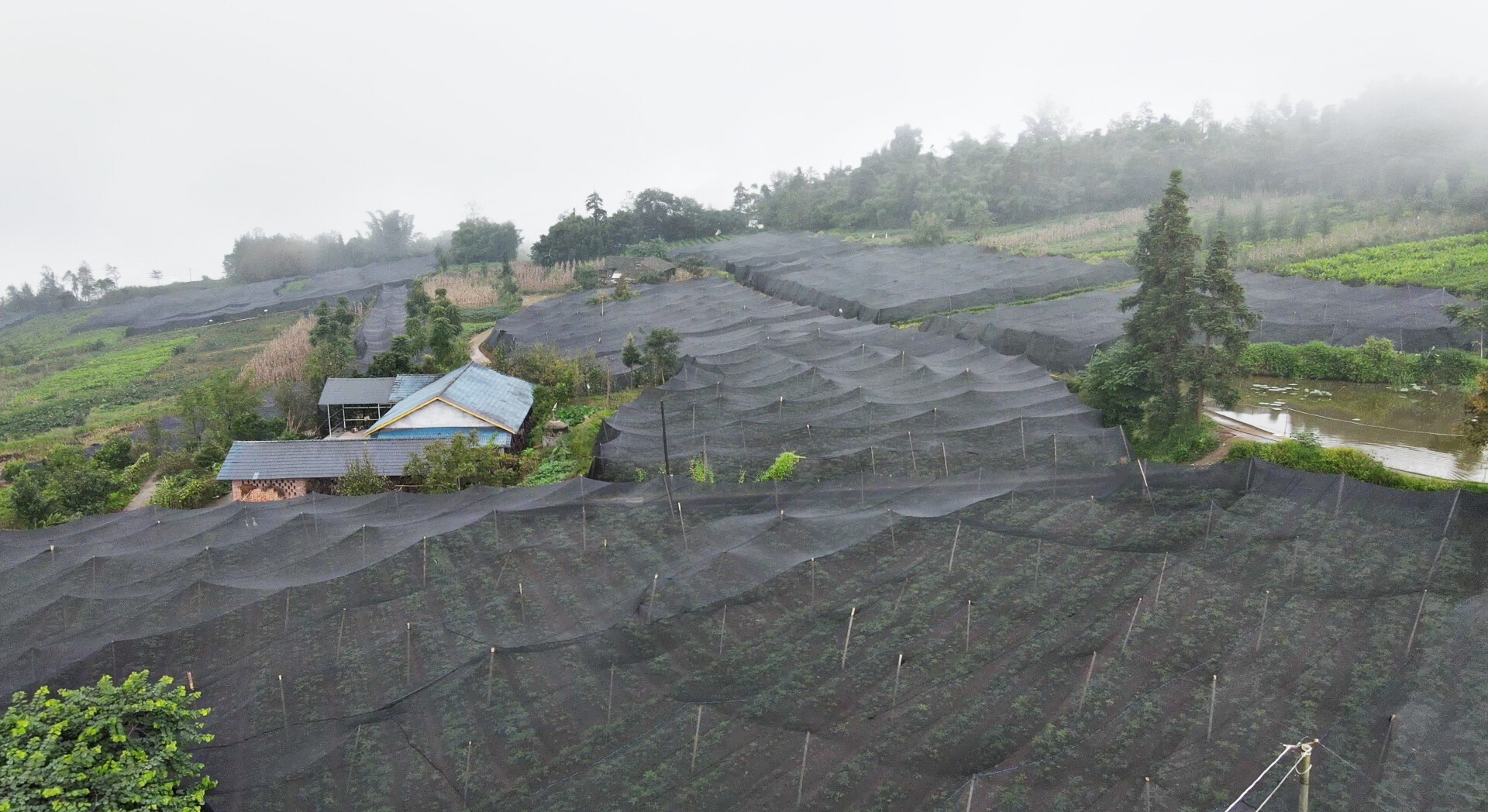
Look for suppliers with vertically integrated operations—specifically, those with their own planting bases. This means they control the crop from seed to shelf. It ensures:
Consistent glucomannan purity.
Less exposure to market price spikes.
Complete traceability documentation for customs and regulators.
What to do: Ask your supplier: "Can you trace a finished bag of noodles back to the specific field and harvest date?" If the answer is vague, look elsewhere.
3. Understand the Product Formats
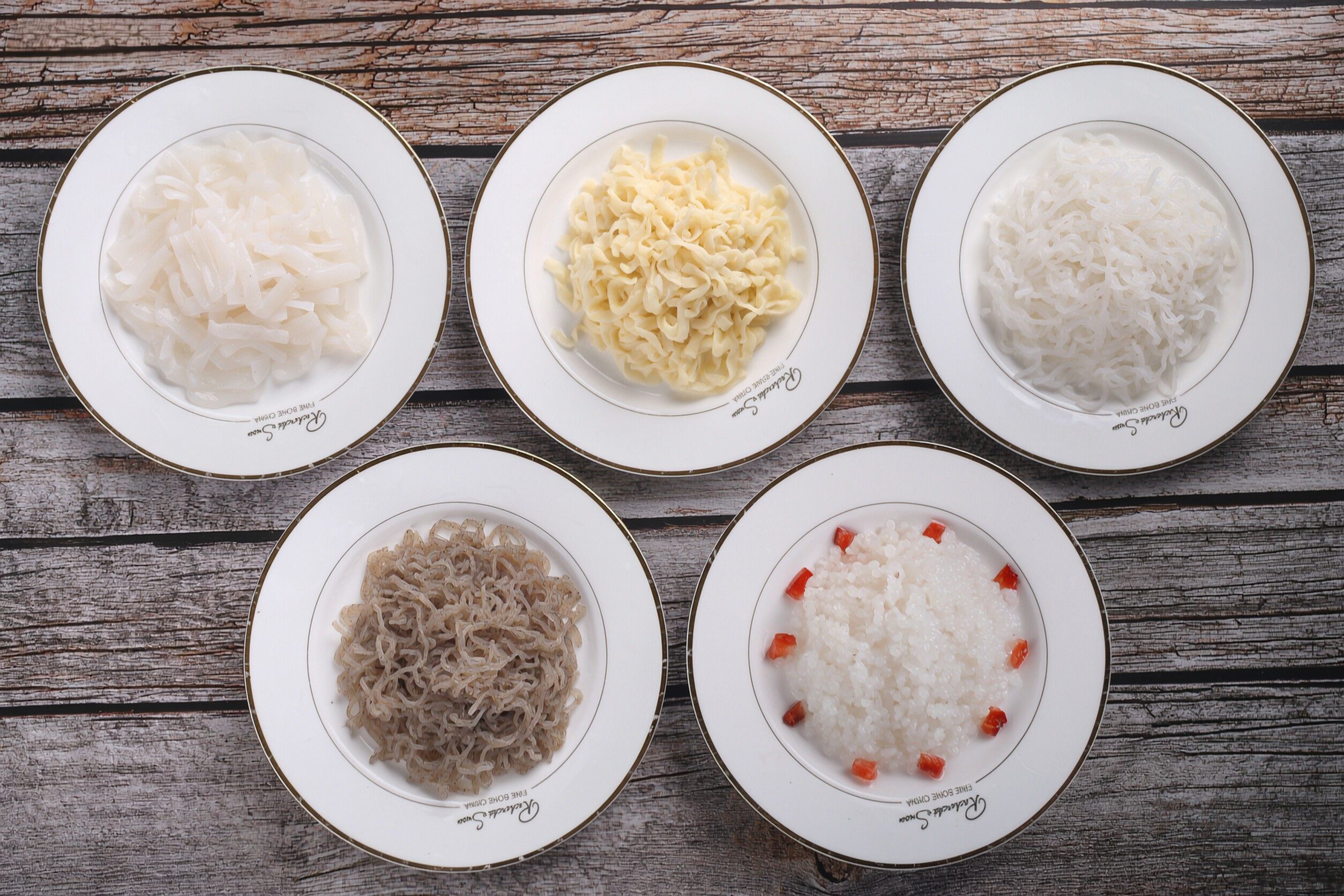
Not all konjac products are created equal, and different formats serve different business models.
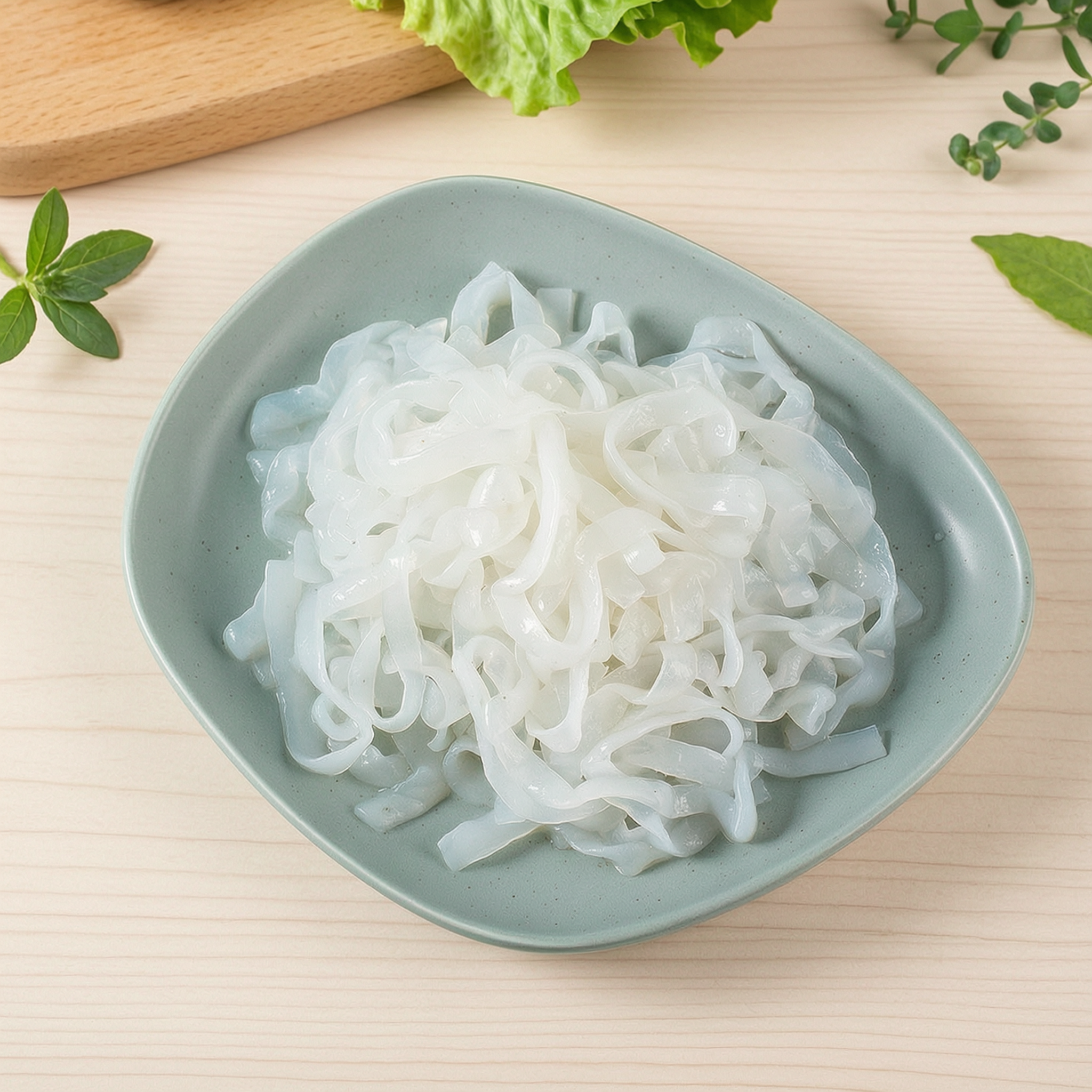
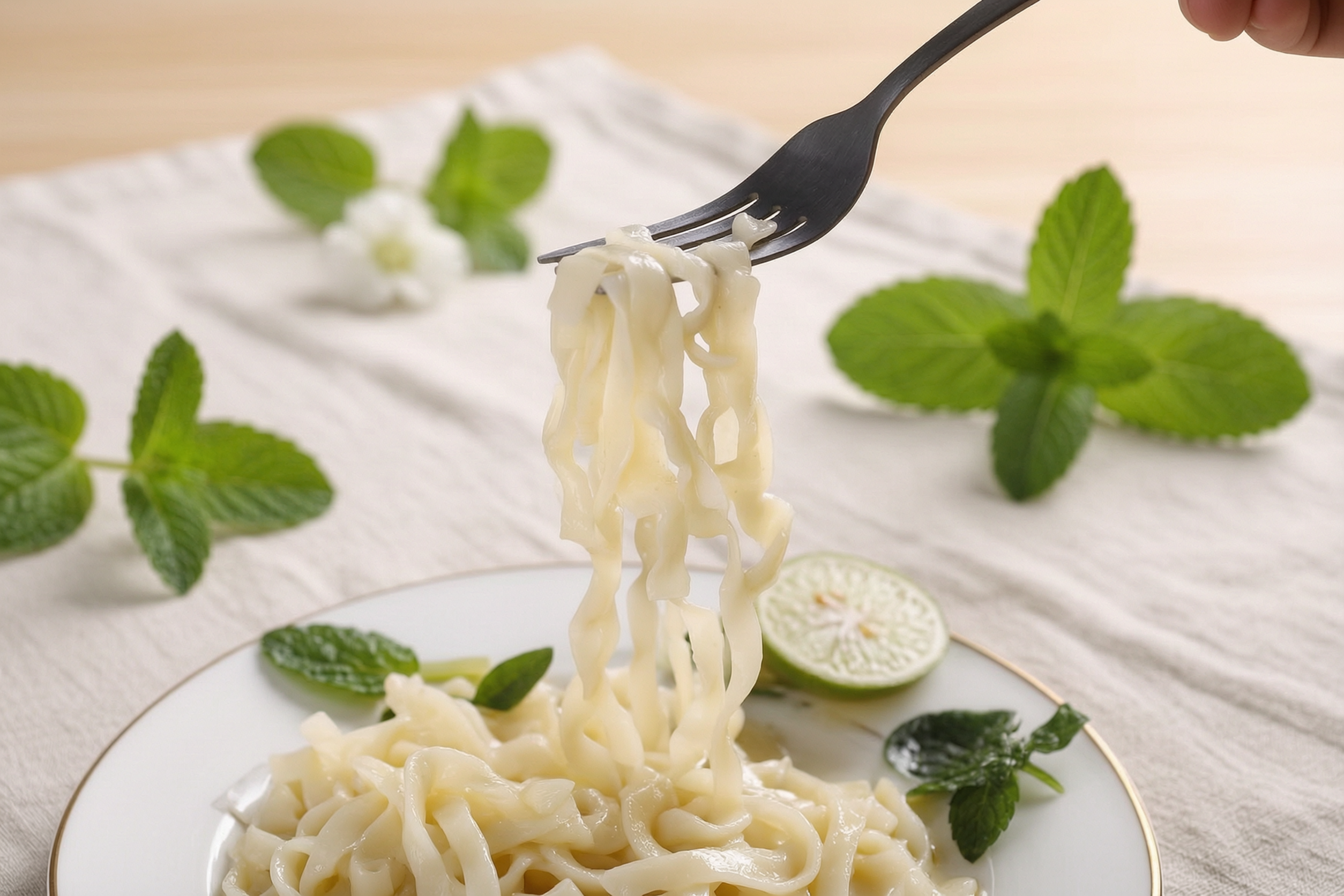
Wet/Fresh Konjac Noodles: Ready-to-eat, great for local retail and food service. Shorter shelf life, higher shipping costs due to water weight.
Dried Konjac Noodles/Rice: 12–18 months shelf life, lightweight, much lower freight costs. Ideal for e-commerce and long-distance export.
Konjac Powder/Glucomannan: The raw ingredient for supplements, baking, and clean-label food manufacturing. Purity (85% vs. 95%+) drastically affects price and application.
What to do: Align your product format with your sales channel. If you're selling on Amazon, dried is usually better. If you're supplying local meal-kit companies, fresh is the way to go. (Often, offering both is the best strategy).
4. Don't Ignore the "Clean Label" Demand
Consumers are reading labels more carefully than ever. They want ingredients they recognize.
Konjac is naturally clean-label. It is a plant-based, water-soluble fiber. However, some lower-quality suppliers use artificial preservatives or bleaches.
In 2026, the winning products are those with minimal ingredient lists (e.g., Water, Konjac Powder, Citric Acid). The fewer the additives, the better the market reception in the US and EU.
What to do: Request the full ingredient breakdown and a third-party lab test (like Intertek or SGS). Check for heavy metals, microbiological safety, and actual glucomannan content. Don't rely on a generic spec sheet—ask for a Certificate of Analysis (COA) for the specific batch you are buying.
5. Health Claims and Regulatory Compliance
The regulatory landscape for health claims is tightening, particularly in Europe.
The European Food Safety Authority (EFSA) has authorized specific health claims for konjac glucomannan (e.g., weight management at 3g/day, cholesterol maintenance at 4g/day). If you plan to use these claims on your packaging, your supplier must provide the documentation to back it up.
What to do: Ensure your supplier understands the regulatory requirements of your target market. If you are selling in the US, ensure the product meets FDA labeling requirements. In the EU, ensure compliance with Novel Food regulations if applicable.
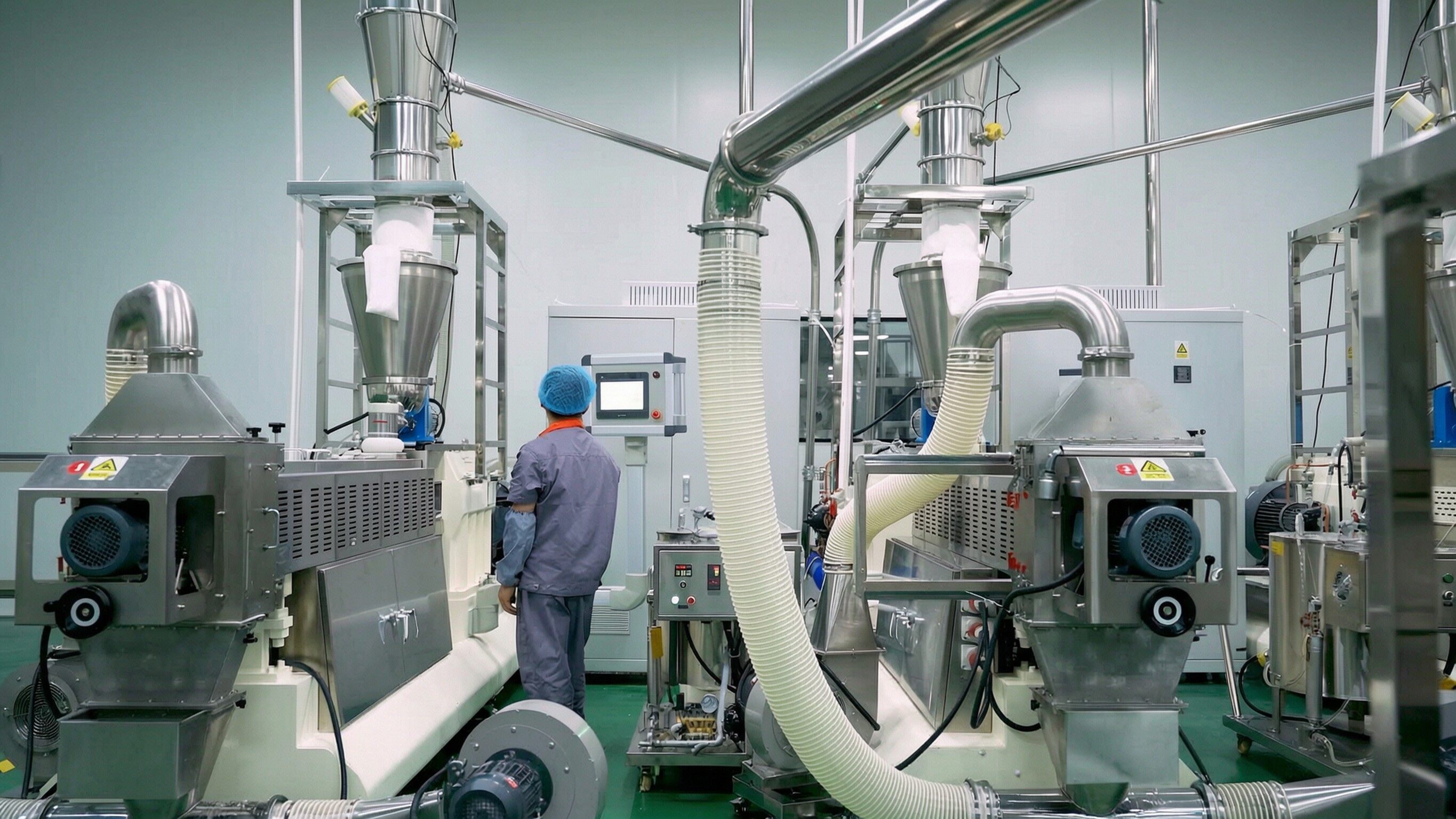
6. Partner with a Manufacturer, Not Just a Trader
In a booming market, many "trading companies" pop up to take advantage of the demand. They source from random factories, mark up the price, and disappear when quality issues arise.
As an importer, you need a partner who can offer:
OEM/ODM capabilities: Custom recipes (like Oat Konjac or High-Protein Konjac), private labeling, and custom packaging.
Consistent communication: A dedicated account manager who understands your market.
Stable supply: The ability to fulfill your orders predictably, not just when the market is flush.
What to do: Ask about their R&D capabilities and their MOQ (Minimum Order Quantity) for custom projects. A true manufacturing partner will work with you to build your brand, not just sell you a commodity.
The Bottom Line for 2026
Sourcing konjac in 2026 requires more diligence than ever. But the opportunity is massive. Global demand for low-carb, gluten-free, and high-fiber foods is skyrocketing.
By prioritizing certifications, traceability, product format, clean labels, and genuine manufacturing partnerships, you can build a supply chain that protects your brand and satisfies your customers.
Ransider is a konjac food supplier built on 20+ years of manufacturing expertise. We operate our own planting base, hold BRC, IFS, FDA, Organic, Kosher, and Halal certifications, and offer full OEM/ODM capabilities. If you're looking for a reliable partner in 2026, let's talk.