Low-Carb, Keto, Gluten-Free – Why Konjac Fits Every Diet
Konjac is one of the few ingredients that naturally fits low-carb, keto, gluten-free, vegan, and clean-label diets — all at once. With near-zero net carbs, gluten-free certification, plant-based sourcing, and a simple ingredient list, konjac offers brands broader market reach with a single product. Learn why this versatile ingredient is becoming essential for food manufacturers targeting multiple dietary tribes.
Low-Carb, Keto, Gluten-Free – Why Konjac Fits Every Diet
Every few years, a new diet trend takes over the food industry. But some eating patterns have staying power — and konjac happens to fit almost all of them.
Walk into any supermarket in 2026 and you'll see the evidence: low-carb sections, keto-friendly labels, gluten-free aisles, and plant-based alternatives. Consumers are no longer following one diet — they're mixing and matching based on their health goals.
For food brands and manufacturers, this creates a challenge: how do you create products that appeal to multiple dietary tribes at once?
Konjac offers an answer. This remarkable plant-based ingredient naturally fits low-carb, keto, gluten-free, vegan, and clean-label diets — without compromise. Here's why.
The Diet Landscape in 2026
Let's look at the major dietary trends driving consumer behavior today:
Diet | Core Principle | Key Restriction |
|---|---|---|
Low-Carb | Reduce total carbohydrate intake | Typically under 100–150g carbs/day |
Keto | Very high fat, very low carb | Usually under 20–50g net carbs/day |
Gluten-Free | Avoid gluten (wheat, barley, rye) | No traditional pasta, bread, or wheat-based noodles |
Vegan | No animal products | No meat, dairy, eggs, or animal-derived ingredients |
Clean Label | Minimal, recognizable ingredients | No artificial additives or synthetic compounds |
Low-Calorie | Reduce total caloric intake | Emphasis on low-energy-density foods |
Most food products can only satisfy one or two of these categories. A keto product may contain dairy (not vegan). A gluten-free pasta may be high in carbs (not keto-friendly). A vegan snack may contain additives (not clean label).
Konjac is different. It naturally fits all of them.
Why Konjac Fits Low-Carb Diets
The core principle of low-carb eating is reducing carbohydrate intake. Traditional pasta contains roughly 70g of carbs per 100g (dry weight). Cooked pasta still delivers around 25–30g of carbs per 100g.
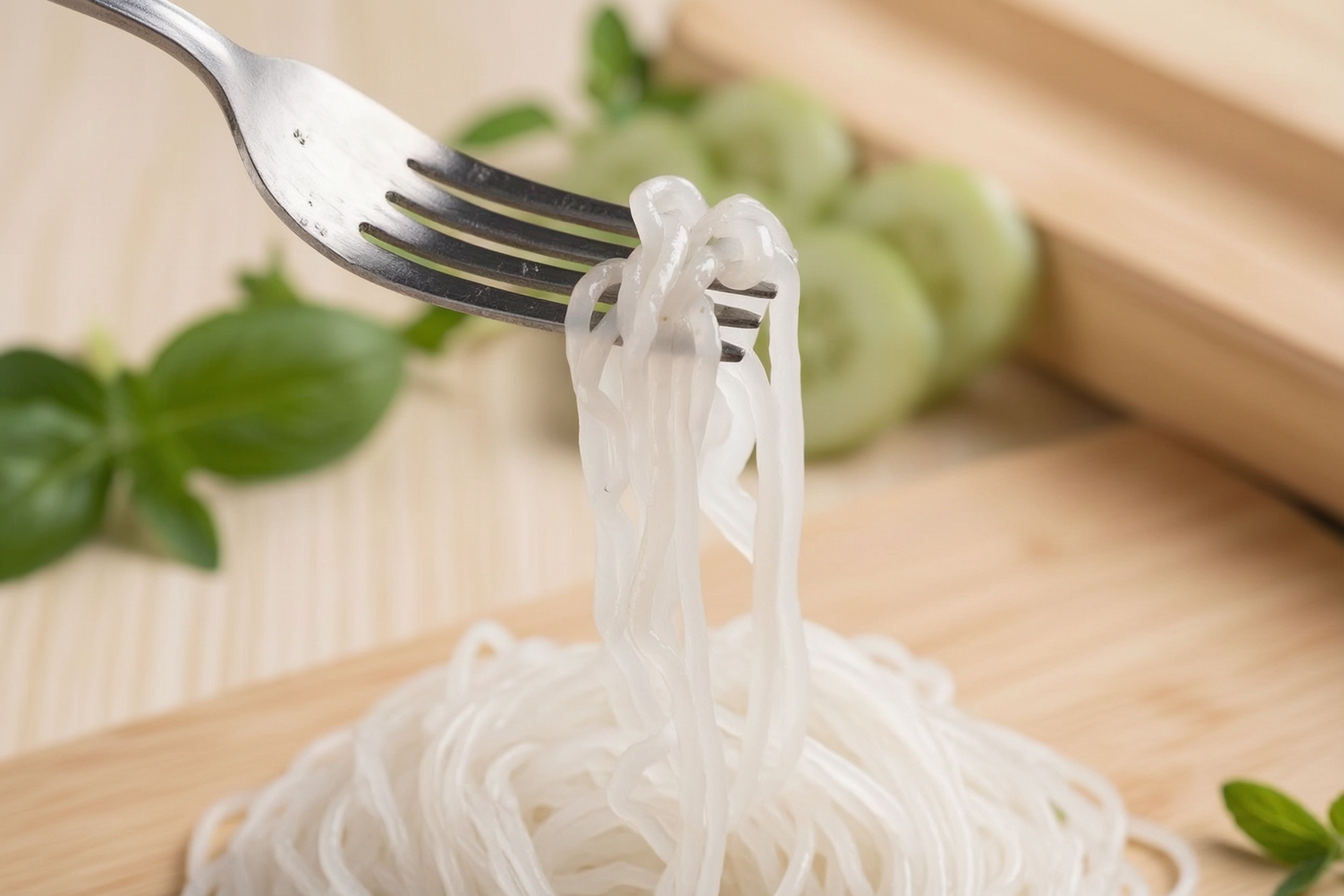
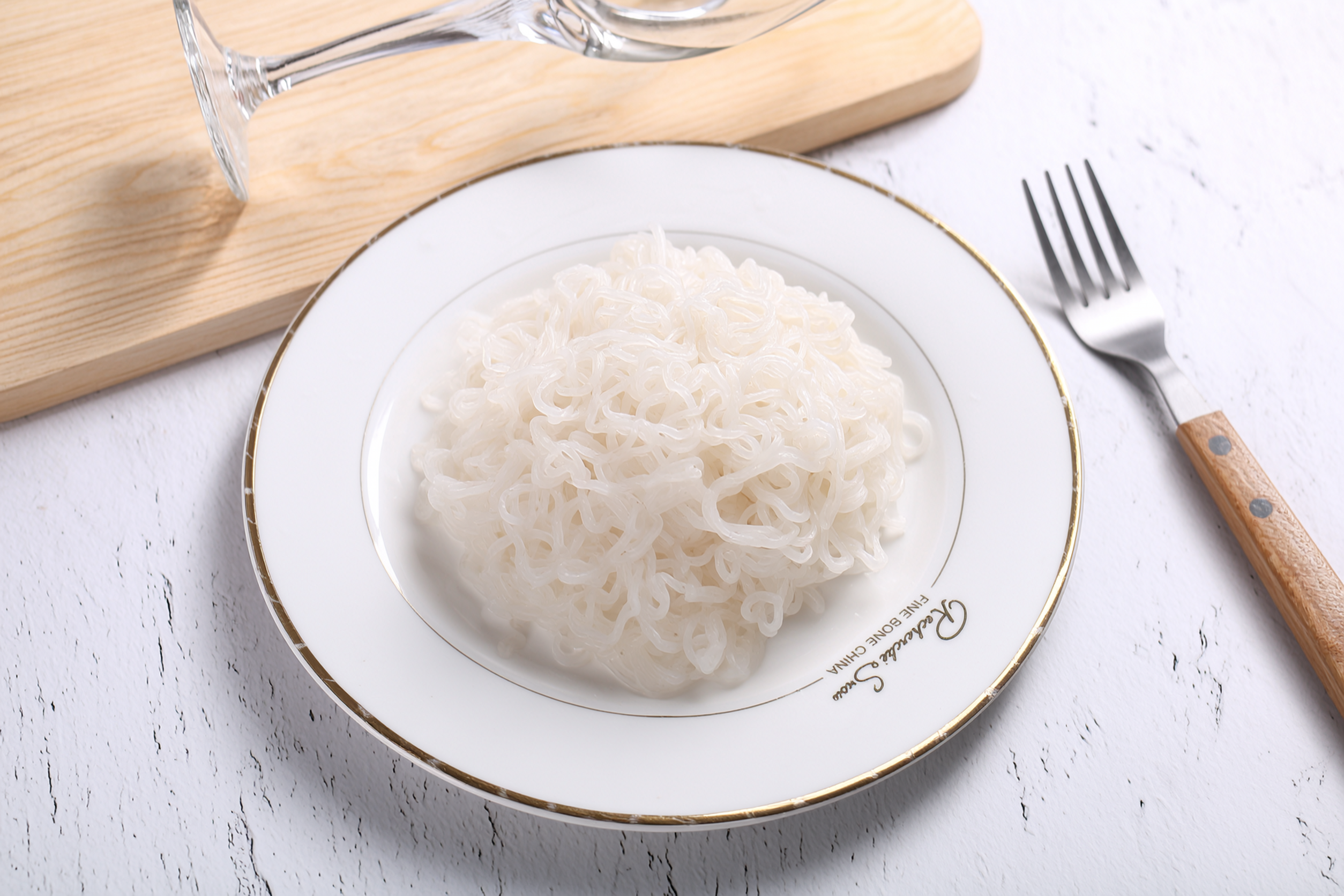
Konjac noodles and rice, by contrast, contain around 3g of total carbohydrates per 100g, and most of that is dietary fiber — which has minimal impact on blood sugar. This means the net carb content is close to zero.
For low-carb consumers, this is a game-changer. They can enjoy pasta, rice, and noodle dishes without worrying about their carb count. A bowl of konjac spaghetti with meat sauce, a konjac rice stir-fry, or a cold konjac noodle salad — all fit comfortably within a low-carb eating plan.
The market agrees. Low-carb products made with konjac are among the fastest-growing segments in the health food aisle, and the global konjac noodle market alone is projected to reach USD 2.8 billion by 2033.
Why Konjac Fits Keto Diets
The ketogenic diet is one of the most restrictive eating patterns in the mainstream. The goal is to keep the body in a state of ketosis — which requires very low carbohydrate intake, typically under 20–50g of net carbs per day.
This makes traditional pasta and rice essentially off-limits. A single serving of regular pasta can contain 40–50g of carbs — enough to kick most people out of ketosis.
Konjac changes the equation. With near-zero net carbs, konjac noodles and rice can be enjoyed freely on a keto diet. They provide the texture and satisfaction of pasta and rice without the carb load.
This is why konjac-based products have become a staple in the keto community. From shirataki noodles to konjac rice to konjac-based pizza crusts, keto dieters have embraced konjac as a way to enjoy "forbidden" foods again.
The data supports this. The keto diet market continues to grow, with 12–15 million active keto practitioners in the US alone as of 2025. Konjac products are well-positioned to capture this demand.
Why Konjac Fits Gluten-Free Diets
For people with celiac disease or gluten sensitivity, avoiding gluten is not a choice — it's a medical necessity. Traditional pasta, noodles, bread, and many processed foods contain gluten and are off-limits.
Konjac is naturally gluten-free. It comes from the root of the konjac plant (Amorphophallus konjac), which is not related to wheat, barley, or rye. This makes konjac-based noodles, rice, and pasta safe for gluten-free diets.
But konjac offers more than just safety — it offers quality. Many gluten-free pasta alternatives (like those made from corn, rice, or legumes) have texture and taste challenges. They can be mushy, gritty, or lacking in the "chew" that pasta lovers expect.
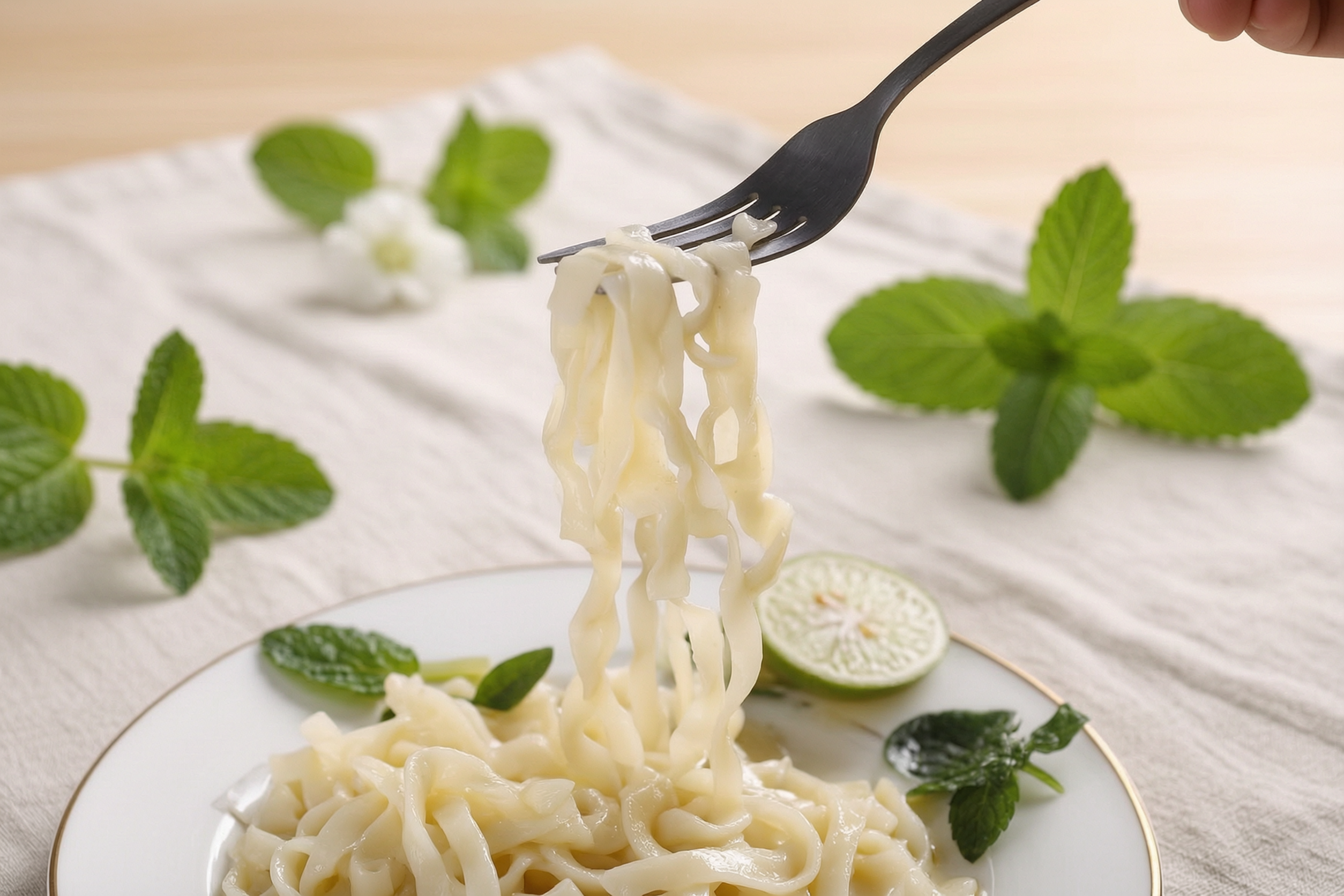
Konjac noodles, by contrast, have a smooth, chewy texture that closely mimics traditional pasta. For gluten-free consumers who miss the experience of eating real noodles, konjac is a welcome alternative.
The global gluten-free market is projected to exceed USD 8 billion by 2027, and konjac is emerging as a key ingredient in this space.

Why Konjac Fits Vegan and Plant-Based Diets
Konjac is 100% plant-based. It contains no animal-derived ingredients, making it suitable for vegan and vegetarian diets.
This is increasingly important as plant-based eating goes mainstream. Consumers are looking for plant-based options that are not just ethical but also healthy and satisfying. Konjac delivers on all counts.
Beyond noodles and rice, konjac is also used in plant-based meat alternatives as a natural binder and texture enhancer. It can replace synthetic additives like methylcellulose, allowing manufacturers to create cleaner-label plant-based products.
For vegan consumers, konjac products offer a way to enjoy pasta, rice, and noodle dishes that align with their values — without sacrificing taste or texture.
Why Konjac Fits Clean-Label Diets
The clean-label movement is about transparency and simplicity. Consumers want ingredients they can recognize and pronounce — not a list of chemicals and additives.
Konjac fits this perfectly. The ingredient list for konjac noodles is typically just:
Water
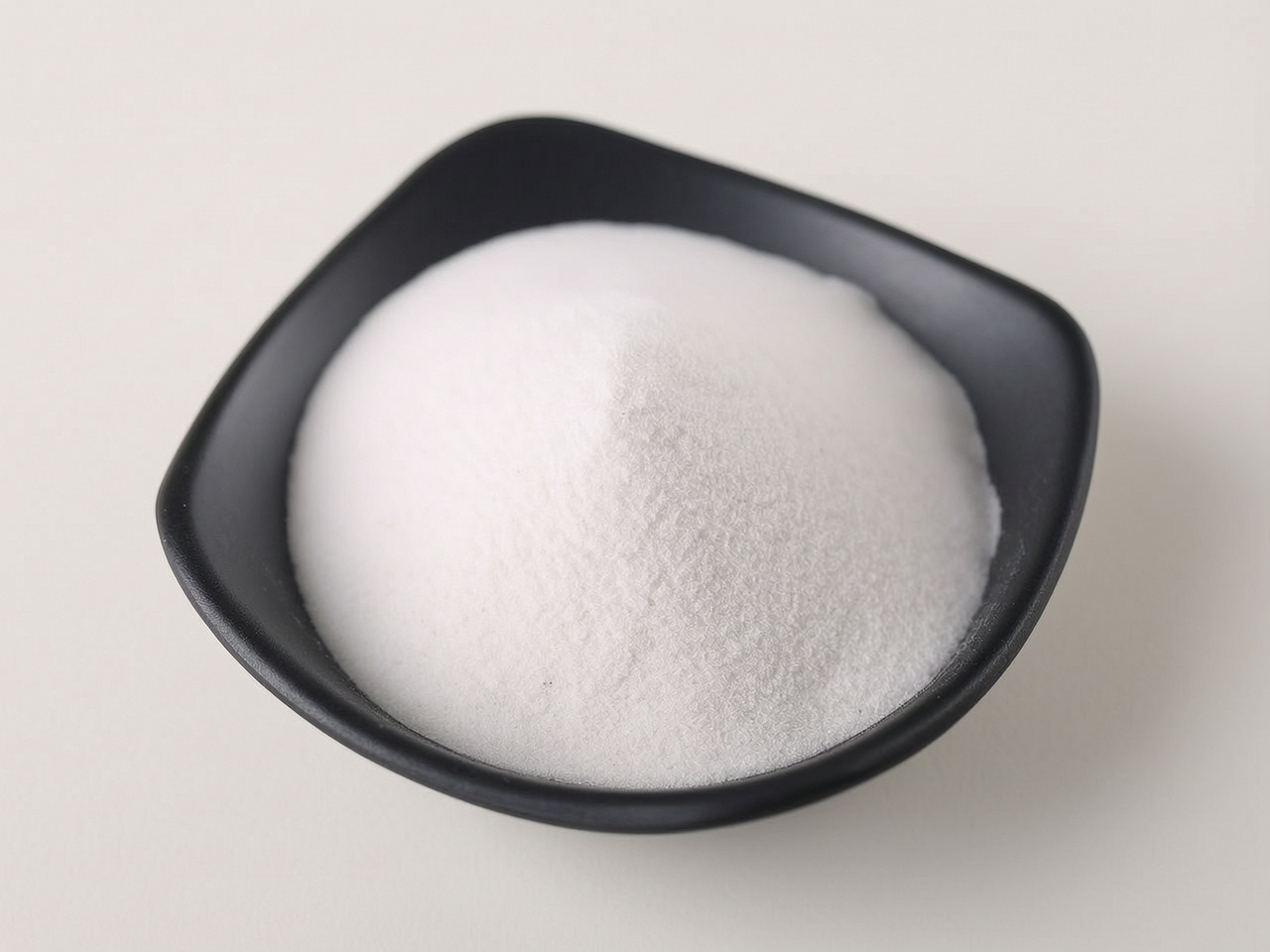
Konjac powder
Citric acid (a natural preservative)
That's it. No artificial colors, flavors, or preservatives. No synthetic additives. No ingredients you can't find in a home kitchen.
For brands, konjac offers a way to formulate clean-label products without compromising on texture or functionality. It's a natural hydrocolloid that can thicken, gel, and bind — replacing synthetic ingredients in a wide range of applications.
As consumer demand for clean-label products continues to grow, konjac is becoming a go-to ingredient for formulators.
The Overlap: Why Multi-Diet Appeal Matters
Here's the key insight: most consumers don't follow just one diet.
A person might be low-carb and gluten-free. Another might be keto and vegan. A third might be clean-label and low-calorie. The boundaries between diets are blurry, and consumers are increasingly mixing and matching based on their individual needs.
This is where konjac's versatility becomes a major advantage. A single konjac product can appeal to:
Low-carb dieters
Keto practitioners
Gluten-free consumers
Vegans and vegetarians
Clean-label shoppers
Calorie-conscious consumers
For brands, this means broader market reach with a single product. For retailers, it means higher turnover and fewer SKUs. For consumers, it means more options that fit their lifestyle.
No other ingredient offers this level of multi-diet compatibility. That's konjac's unique position in the market.
What This Means for B2B Buyers
For food brands, distributors, and retailers, konjac represents a strategic opportunity:
1. One ingredient, multiple markets. Konjac products appeal to low-carb, keto, gluten-free, vegan, and clean-label consumers — all at once.
2. Growing demand across categories. From noodles and rice to snacks and supplements, konjac is expanding into new product formats.
3. Clean-label positioning. Konjac's simple ingredient list makes it easy to market as a clean-label product.
4. Regulatory support. EFSA-approved health claims for glucomannan (weight management and cholesterol reduction) provide a credible marketing foundation.
5. Supply chain maturity. With proprietary planting bases and vertically integrated suppliers, konjac supply is more reliable than ever.
The Future Is Multi-Diet
As consumer preferences continue to evolve, the demand for products that fit multiple dietary patterns will only grow. Konjac is perfectly positioned to meet this demand.
Whether your customers are low-carb, keto, gluten-free, vegan, or simply health-conscious, konjac offers a solution that works for all of them. It's not a niche ingredient — it's a universal ingredient for the modern diet.
For brands and manufacturers, the opportunity is clear: konjac fits every diet. And it can fit your product line too.
Ransider is a konjac food supplier built on 20+ years of manufacturing expertise. Our products are BRC, IFS, FDA, Organic, Kosher, and Halal certified. We offer konjac noodles, rice, pasta, dried and instant formats, and dietary fiber powder — with full OEM/ODM capabilities. Contact us for wholesale inquiries and free samples.