The Science of Satiety: How Konjac Keeps You Full Longer
Konjac glucomannan is one of the few natural ingredients with a scientifically proven mechanism for enhancing satiety. It absorbs up to 50 times its weight in water, slows gastric emptying, modulates hunger hormones, and ferments in the gut to produce satiety-promoting short-chain fatty acids — all with virtually zero calories. Learn why this makes konjac a powerful tool for weight management products and a strategic ingredient for food brands.

The Science of Satiety: How Konjac Keeps You Full Longer
Hunger is the enemy of every diet. Konjac is one of the few ingredients with a scientifically proven mechanism to fight it.
Most weight management products rely on willpower. They ask consumers to eat less, ignore hunger, and resist cravings. That approach fails for the vast majority of people — not because they lack discipline, but because biology is working against them.
Konjac offers a different approach. Instead of fighting hunger, it works with the body's natural satiety mechanisms. The key is glucomannan — a water-soluble fiber that expands in the stomach, slows digestion, and triggers feelings of fullness.
Here's the science behind why konjac keeps you full longer — and why it matters for food brands and manufacturers.
What Is Satiety — And Why Does It Matter?
Satiety is the feeling of fullness that stops you from eating. It's different from "satiety" in the casual sense — it's a complex biological process involving hormones, nerve signals, and the physical sensation of the stomach.
When you eat, your body releases hormones like GLP-1, PYY, and cholecystokinin (CCK) that signal to the brain: "We've had enough." These signals are influenced by:
The volume of food in the stomach
The rate at which food leaves the stomach
The nutrient composition of the food (protein and fiber are more satiating than fat and refined carbs)
Blood sugar stability
Most processed foods — especially refined carbohydrates — are poorly satiating. They digest quickly, spike blood sugar, and leave you hungry again within an hour or two. This is one reason why snacking and overeating are so common.
Konjac addresses multiple satiety mechanisms at once. That's what makes it uniquely effective.
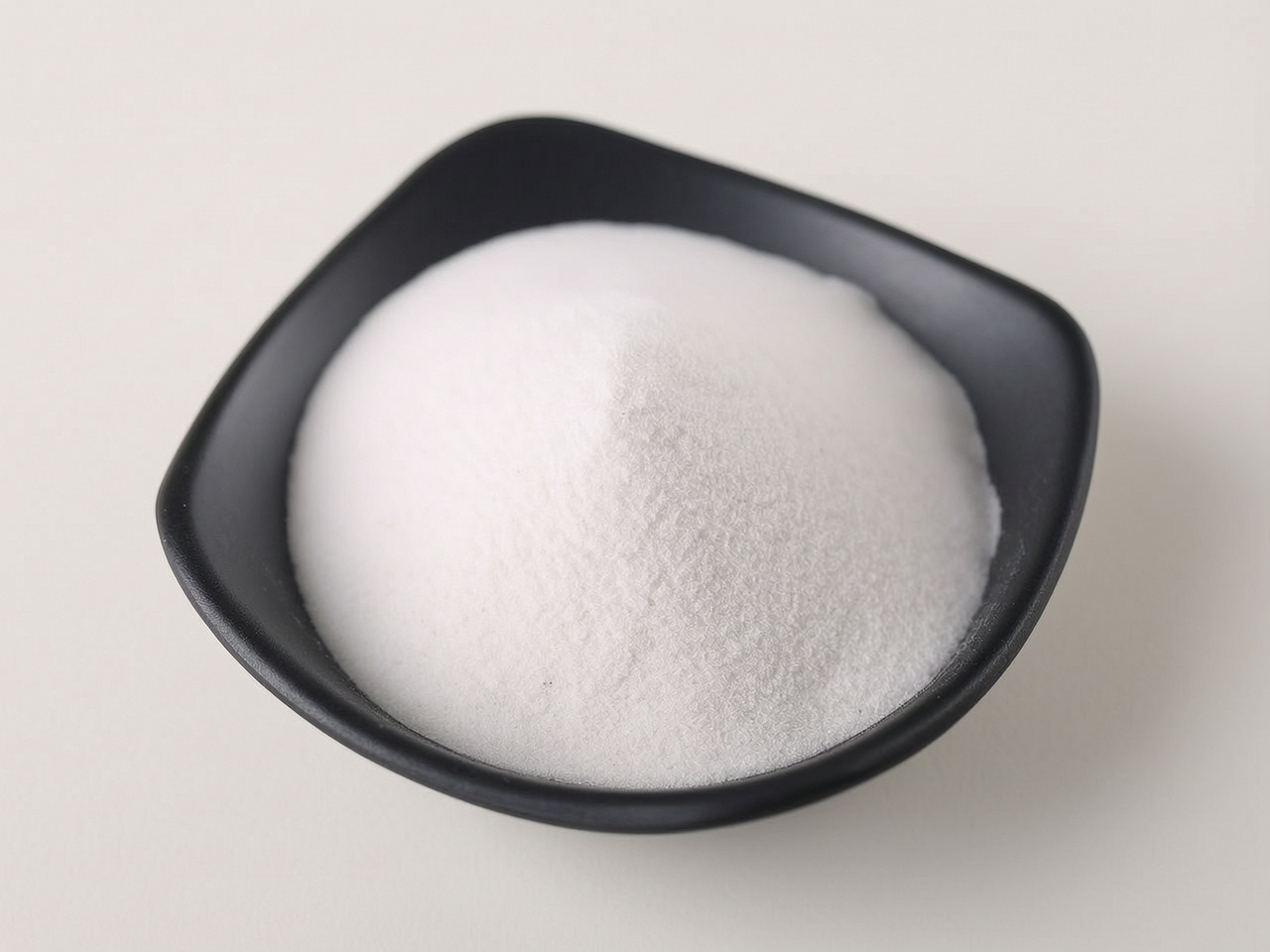
How Konjac Glucomannan Works
The active component in konjac is glucomannan (KGM) — a water-soluble polysaccharide that makes up up to 80% of the konjac tuber.
1. It Absorbs Water and Expands
The most remarkable property of glucomannan is its water-absorption capacity. It can absorb up to 50 times its weight in water, forming a viscous gel in the stomach.
This creates a physical sensation of fullness. The stomach stretches, and stretch receptors send signals to the brain that reduce appetite. This is one of the most direct and immediate satiety mechanisms — and glucomannan triggers it naturally.
2. It Slows Gastric Emptying
After a meal, the stomach gradually empties its contents into the small intestine. The rate at which this happens directly affects how long you feel full.
Glucomannan's gel-like consistency slows gastric emptying. Food stays in the stomach longer, and the feeling of fullness is extended. This means fewer hunger pangs between meals and less desire to snack.
3. It Modulates Satiety Hormones
Beyond physical effects, glucomannan influences the hormonal signals that control appetite. Studies suggest that konjac glucomannan may:
Increase GLP-1 levels — a hormone that promotes satiety and slows digestion
Reduce ghrelin levels — the "hunger hormone" that stimulates appetite
Improve insulin sensitivity — stable blood sugar reduces hunger and cravings
These hormonal effects are part of why glucomannan is often described as a "satiety fiber" rather than just a bulking agent.
4. It Ferments in the Gut
Glucomannan is a fermentable fiber. When it reaches the colon, it feeds beneficial gut bacteria, producing short-chain fatty acids (SCFAs) like butyrate, propionate, and acetate.
SCFAs play a role in satiety signaling. Propionate, in particular, has been shown to increase feelings of fullness and reduce food intake. This is a longer-term effect that complements the immediate physical and hormonal mechanisms.
5. It Has Minimal Calories
Unlike other satiety-enhancing ingredients (like protein or fat), glucomannan adds virtually no calories. It provides bulk and fullness without energy density. This is why konjac products can be both highly satiating and very low in calories — a rare combination.
What the Research Shows
The scientific literature on glucomannan and satiety is substantial.
A 2025 randomized controlled trial found that glucomannan supplementation (3g/day for 12 weeks) produced significant reductions in body weight, BMI, and waist circumference — outcomes consistent with improved satiety and reduced caloric intake.
Another study showed that glucomannan consumed before meals reduced food intake and increased feelings of fullness compared to a placebo.
Research on konjac noodles specifically has found that they increase satiety and reduce subsequent food intake more effectively than wheat-based noodles of the same weight.
The EFSA has authorized a health claim for glucomannan related to weight management (3g/day in the context of a calorie-restricted diet), reflecting the strength of the evidence base.
It's important to note that results vary based on dose, timing, and individual factors. But the overall direction of the research is clear: glucomannan supports satiety through multiple mechanisms, and those effects translate into real-world benefits for weight management.

Why This Matters for Food Brands
For food manufacturers and brands, konjac's satiety benefits create multiple opportunities:
1. Weight management products. Konjac can be the centerpiece of a weight management line — noodles, rice, shakes, or supplements that help consumers feel full with fewer calories.
2. Meal replacement products. Satiety is the biggest challenge in meal replacement. Konjac helps consumers stick with a program because they don't feel hungry an hour later.
3. Snack products. Satiating snacks are a growing category. Konjac-based snacks (like konjac jelly or konjac chips) offer fullness with minimal calories.
4. Functional beverages. Konjac glucomannan can be added to drinks to promote satiety — a growing trend in the functional beverage space.
5. Clean-label satiety. Unlike synthetic appetite suppressants, konjac is a natural, plant-based fiber. It fits clean-label and "free-from" positioning.
The global weight management market is projected to exceed USD 400 billion by 2030. Satiety is one of the most important levers in this market — and konjac is one of the most effective natural tools for addressing it.
The Consumer Perspective
Consumers are increasingly aware of the connection between fiber, satiety, and weight management. The "fiber-maxxing" trend — popularized on TikTok and endorsed by Whole Foods Market in its 2026 trend predictions — reflects this awareness.
28% of US consumers now identify "good source of fiber" as a criterion for healthy food. And satiety is one of the primary reasons why: fiber keeps you full, reduces snacking, and supports weight management without the need for restrictive dieting.
Konjac products align perfectly with this consumer mindset. They offer a simple, natural solution to a universal problem: how to feel full without overeating.
How to Communicate Satiety Benefits
If you're marketing konjac products, here are some effective ways to communicate satiety:
Message | Why It Works |
|---|---|
"Keeps you full for hours" | Simple, benefit-driven |
"Expands in your stomach" | Explains the mechanism in plain language |
"Fiber that fights hunger" | Connects fiber to a specific benefit |
"Feel full with fewer calories" | Directly addresses the weight management goal |
"Natural satiety support" | Appeals to clean-label consumers |
Avoid overpromising. "Supports satiety" or "helps you feel full" are accurate and credible. "Blocks hunger" or "eliminates cravings" are exaggerated and can damage trust.
Conclusion
Satiety is the foundation of successful weight management. Without it, even the best diet fails. Konjac glucomannan offers a natural, science-backed way to enhance satiety through multiple mechanisms — physical expansion, slowed digestion, hormonal modulation, gut fermentation, and minimal caloric contribution.
For food brands and manufacturers, this represents a significant opportunity. Konjac products don't just offer low calories — they offer fullness. And in the weight management market, fullness is what keeps customers coming back.
The science of satiety is clear. Konjac is one of the most effective natural tools we have. And the market is ready.
Ransider is a konjac food supplier built on 20+ years of manufacturing expertise. Our products are BRC, IFS, FDA, Organic, Kosher, and Halal certified. We offer konjac noodles, rice, pasta, dried and instant formats, and konjac glucomannan dietary fiber powder — with full OEM/ODM capabilities. Contact us for wholesale inquiries and free samples.