Understanding Konjac Production and Quality Standards: A Comprehensive Guide for Buyers
A comprehensive guide to konjac production standards, quality control processes, and certification requirements for B2B buyers. Covers Chinese national standards (GB 1886.301-2022, GB/T 41811-2022, NY/T 494-2010), international certifications (BRC, IFS, FDA, Organic, Kosher, Halal, HACCP), the full production process from raw material selection to sterilization, and key quality indicators including glucomannan purity requirements for food-grade and EU markets. Essential reading for importers, distributors, and food brands sourcing konjac products.
Understanding Konjac Production and Quality Standards: A Comprehensive Guide for Buyers
For B2B buyers sourcing konjac products, understanding the production process and quality standards is essential to making informed purchasing decisions. Unlike conventional foods, konjac requires specialized processing knowledge and adherence to strict quality parameters that directly impact product safety, functionality, and shelf life.
This guide breaks down the key standards, production stages, and quality control measures every konjac buyer should know.
The Regulatory Framework: What Standards Apply to Konjac?
Konjac products are subject to multiple layers of regulation depending on the target market. Understanding these standards is the first step in evaluating a potential supplier.
Chinese National Standards
China has established comprehensive standards for konjac products:
GB 1886.301-2022 — National Food Safety Standard for Konjac Flour. This standard specifies raw material requirements, production processes, physicochemical indicators, and microbiological limits. It is the foundational standard for konjac flour production in China.
GB/T 41811-2022 — General Principle of Konjac Gel Food Quality. This standard covers konjac gel food products and became effective on November 1, 2022.
NY/T 494-2010 — Konjac Flour. This industry standard specifies sensory, physicochemical indicators including glucomannan content, viscosity, moisture, ash, and sulfur dioxide.
NY/T 2981-2025 — Green Food – Konjac and Its Products. Issued by the Ministry of Agriculture and effective from May 1, 2026, this standard covers green food konjac products including konjac flour, konjac dietary fiber, and konjac gel food.
International Standards and Certifications
For export markets, additional standards apply:
EU E 425 (i) Konjac Flour — Under Commission Regulation (EU) No 231/2012, konjac flour must meet specifications including loss on drying (not more than 12%), starch (not more than 3%), protein (not more than 3%), total ash (not more than 5%), arsenic (not more than 3 mg/kg), and lead (not more than 2 mg/kg).
EU E 425 (ii) Konjac Glucomannan — Purified konjac glucomannan has stricter requirements: total dietary fiber not less than 95% on a dry weight basis, loss on drying not more than 8%, protein not more than 1.5%, total ash not more than 2%, and lead not more than 1 mg/kg.
FDA Registration — U.S. market compliance requires FDA facility registration under 21 CFR Part 117.
BRC and IFS Certification — These are the gold standards for European retail access. BRC (British Retail Consortium) and IFS (International Featured Standards) certifications are non-negotiable for suppliers targeting major European retailers.
HACCP — Hazard Analysis and Critical Control Points certification is widely recognized across global markets.
Kosher and Halal — Dietary compliance certifications that open doors to specific consumer segments.
Organic Certification — EU Organic and USDA Organic certifications are increasingly demanded by health-conscious consumers.
The Konjac Production Process: From Tuber to Finished Product
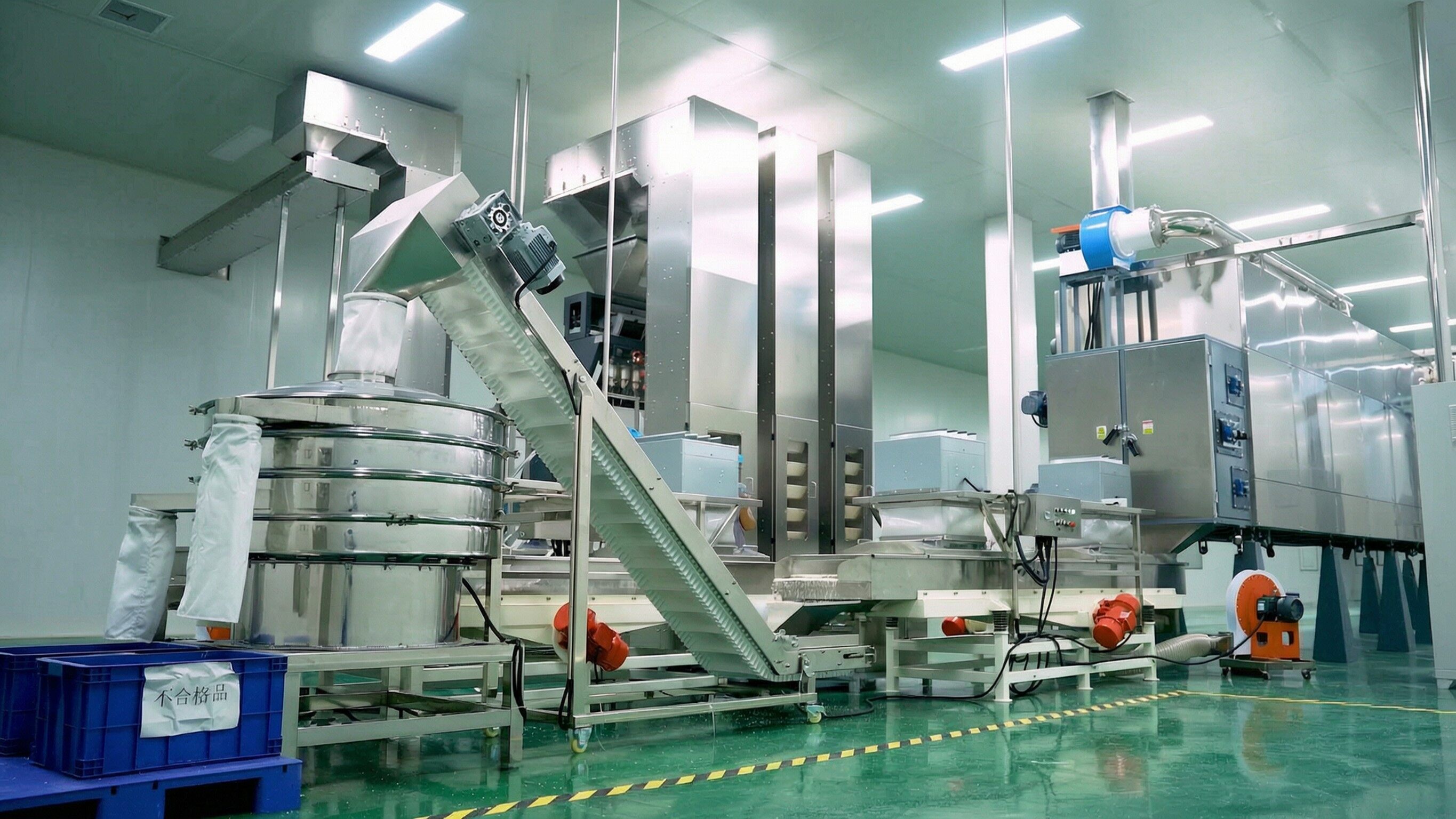
Quality in konjac products begins long before the factory floor. Here is a step-by-step breakdown of the production process.
Raw Material Selection
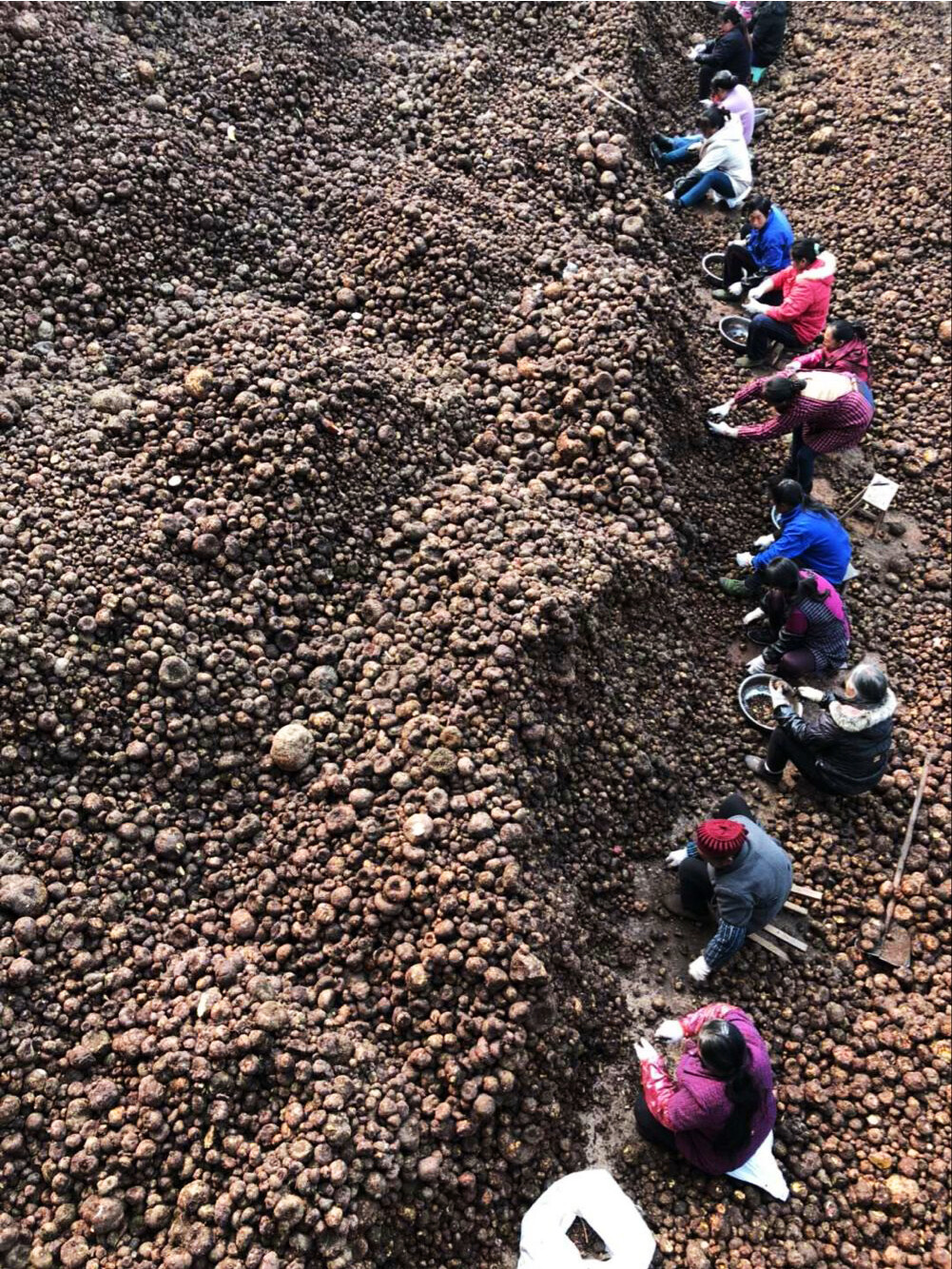
The foundation of quality konjac is the raw tuber. High-quality konjac is predominantly sourced from regions at altitudes of 800–2,500 meters, such as Sichuan and Yunnan provinces in China.
Manufacturers with proprietary planting bases exercise strict control from the start. Quality konjac tubers typically have a diameter exceeding 10 cm and a weight over 500 grams, with intact, unblemished skin free from damage or mildew.
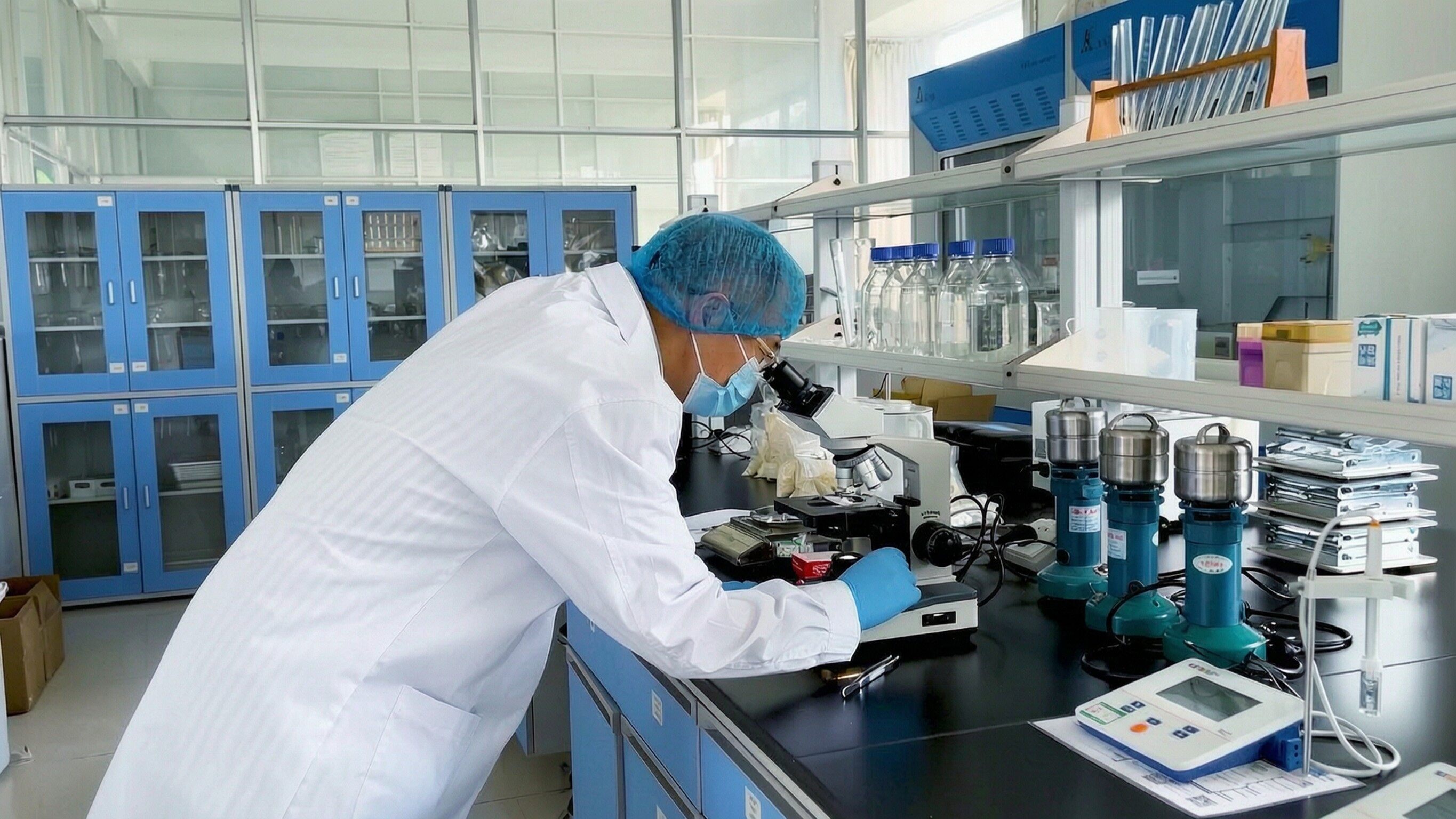
During procurement, refractometer testing is employed to measure glucomannan content—high-quality konjac should contain no less than 6% glucomannan. Only tubers meeting this threshold proceed to the next stage.
Cleaning and Preparation
Once accepted, raw tubers undergo high-pressure spraying to remove sediment. Deteriorated or damaged portions are manually removed to ensure the purity of the initial raw material.
Grinding and Pulping
The cleaned and peeled konjac tubers are crushed into pulp using stainless steel grinders. Coarse fibers are filtered out through a 120-mesh filter screen, retaining only the fine, refined konjac pulp.
Coagulation and Gel Formation
Traditional konjac production uses lime water (calcium hydroxide solution) for coagulation. Modern manufacturers have upgraded to food-grade gelling agents, which are stirred in reaction tanks at a constant temperature of 35°C for approximately 2 hours. This allows the glucomannan to fully cross-link, forming the characteristic tender texture.
For specific products like konjac knots, forming molds are used followed by setting in 85°C hot water for 30 minutes to prevent deformation during subsequent processing.
Sterilization and Packaging
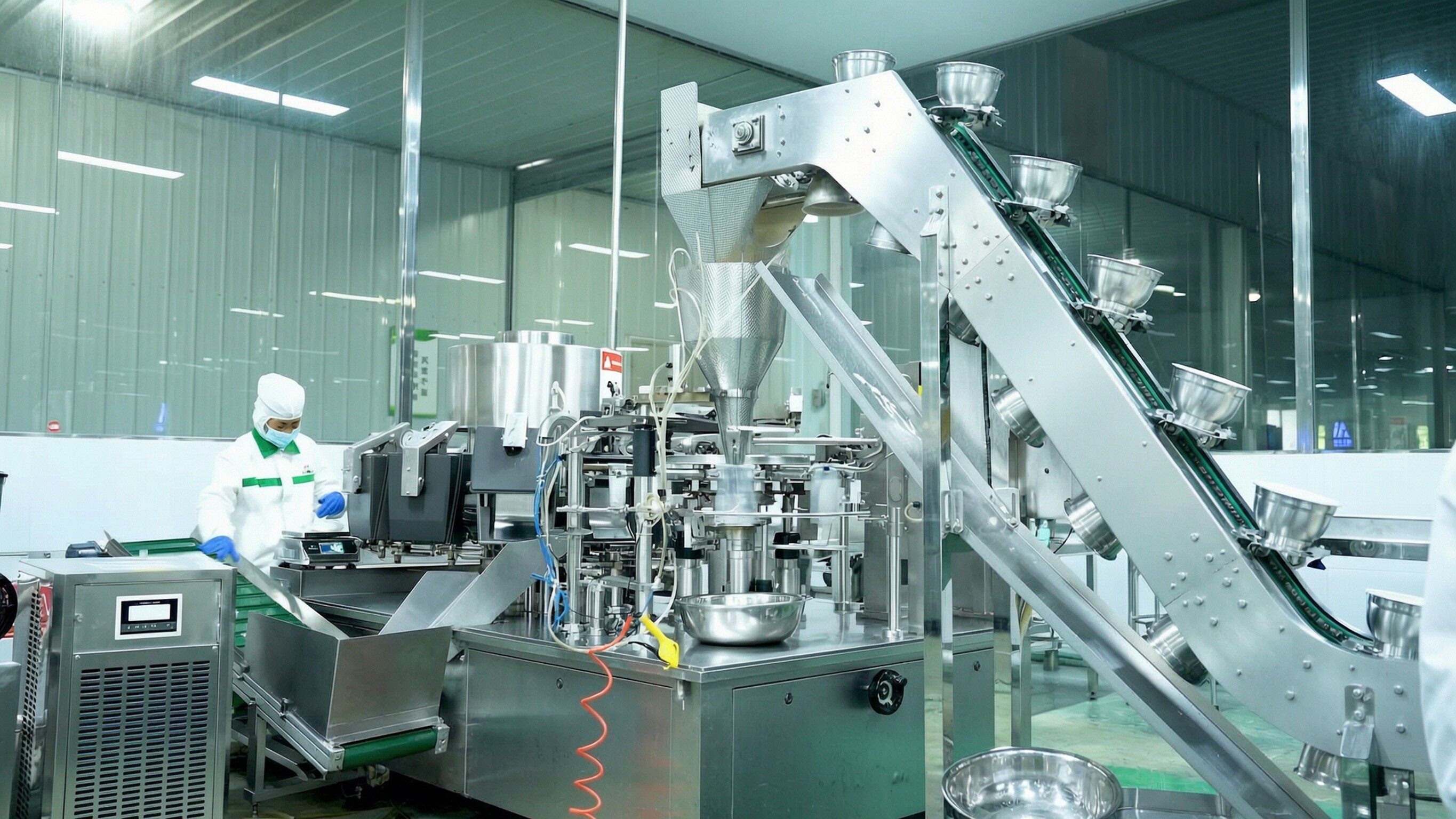
Food safety is paramount in konjac production. Products undergo a rigorous double sterilization process:
First stage: Pasteurization at 95°C for 15 minutes to eliminate most microorganisms
Second stage: After vacuum packaging, high-pressure sterilization at 121°C for 30 minutes ensures sterility throughout the shelf life
Packaging materials consist of retortable composite film, with sealing temperature controlled at 180°C ± 5°C—precise enough to ensure airtightness while avoiding material degradation from excessive heat.
Quality Control: The Critical Checkpoints
In-Process Quality Monitoring
Throughout production, manufacturers maintain rigorous quality control:
Sol formation: Temperature and stirring speed are precisely controlled to ensure uniform konjac gum consistency
Molding stage: Shape and texture are monitored for consistency
Ongoing sampling: QA teams conduct hourly random checks on production lines to verify weight and package integrity
Pre-Shipment Testing
Every batch undergoes comprehensive testing before leaving the factory:
Sensory properties: Uniform color, no impurities
Physicochemical indicators: Moisture content controlled at 85%–90%, pH maintained at 6.5–7.5
Microbiological testing: Complies with GB 2713-2015 standards, total colony count ≤ 10,000 CFU/g
Heavy metal residues: Lead ≤ 0.1 mg/kg, arsenic ≤ 0.05 mg/kg
Key Quality Indicators for Konjac Flour
The following table summarizes essential quality parameters based on NY/T 494-2010 standards:
Indicator | Typical Value | Standard Requirement |
|---|---|---|
Water content | ≤ 12% | NY/T 494-2010 |
KGM content (dry basis) | ≥ 70% | NY/T 494-2010 |
Viscosity (dry basis) | ≥ 13,000 mPa·s | NY/T 494-2010 |
SO₂ (dry basis) | ≤ 0.9 g/kg | GB 2760-2014 |
pH | 5.00–7.00 | NY/T 494-2010 |
Glucomannan Purity: The Most Critical Metric
Glucomannan content is the single most important quality indicator for konjac products. For food-grade applications, the industry standard requires KGM purity of at least 85% on a dry basis.
Advanced purification processes can achieve purity levels exceeding 97%, with some studies reporting up to 98.51% purity through optimized extraction methods.
For the European market, purified konjac glucomannan (E 425 ii) must contain no less than 95% total dietary fiber on a dry weight basis.
Traceability: From Seed to Shelf
Modern buyers increasingly demand full supply chain transparency. Leading konjac manufacturers establish proprietary planting bases to maintain complete control over raw material quality from the very first step.
This vertical integration enables 100% traceability—every batch can be tracked from seed selection through harvesting, processing, and export. For B2B buyers, this translates to:
Consistent quality through standardized farming practices
Risk mitigation through supply chain visibility
Regulatory compliance with documented provenance
Brand protection through verified sourcing
Export Requirements: What Buyers Should Verify
When evaluating konjac suppliers for international markets, buyers should confirm:
Requirement | What to Check |
|---|---|
SC Certification | Chinese food production license |
Export Compliance | EU EC 852/2004 or FDA 21 CFR Part 117 |
Target Market Standards | BRC/IFS for Europe, FDA for US, Organic for premium segments |
Testing Documentation | COA (Certificate of Analysis) for each batch |
Traceability Systems | Documentation from raw material to finished product |
Packaging Compliance | Food-grade materials, proper labeling |
Conclusion
Understanding konjac production and quality standards is essential for making informed sourcing decisions. From raw material selection through final export, every stage of the production process impacts the quality, safety, and functionality of the finished product.
For buyers, the key takeaways are:
Verify certifications — BRC, IFS, FDA, Organic, Kosher, Halal, and HACCP are reliable indicators of quality commitment
Check glucomannan content — Purity of 85%+ for food-grade applications, 95%+ for purified glucomannan
Demand traceability — Full transparency from seed to shelf ensures consistency and risk mitigation
Confirm export compliance — Target market standards must be met with documented testing
By partnering with manufacturers who adhere to these standards, buyers can ensure consistent quality, regulatory compliance, and reliable supply for their konjac product lines.
Ransider is a konjac food supplier built on 20+ years of manufacturing expertise. Our products are backed by BRC, IFS, FDA, Organic, Kosher, and Halal certifications. We maintain full traceability from our proprietary planting base to your door. Contact us for wholesale inquiries and free samples.