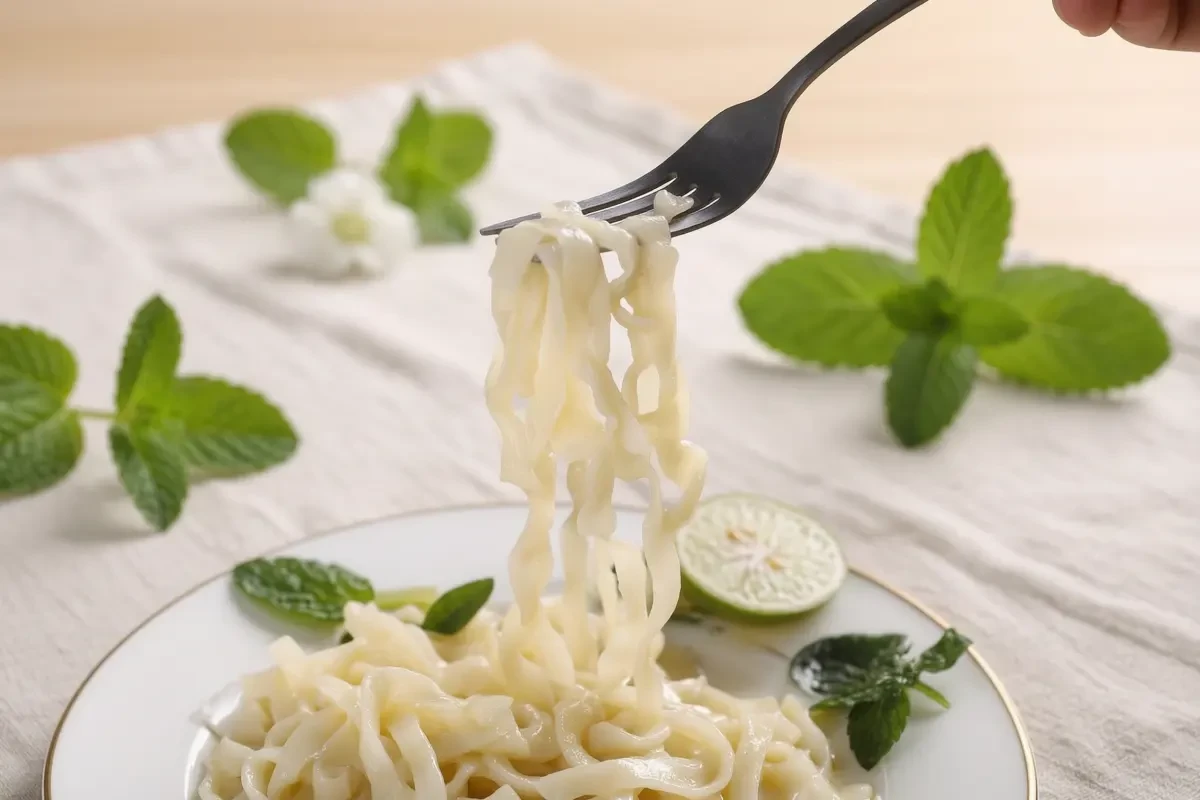
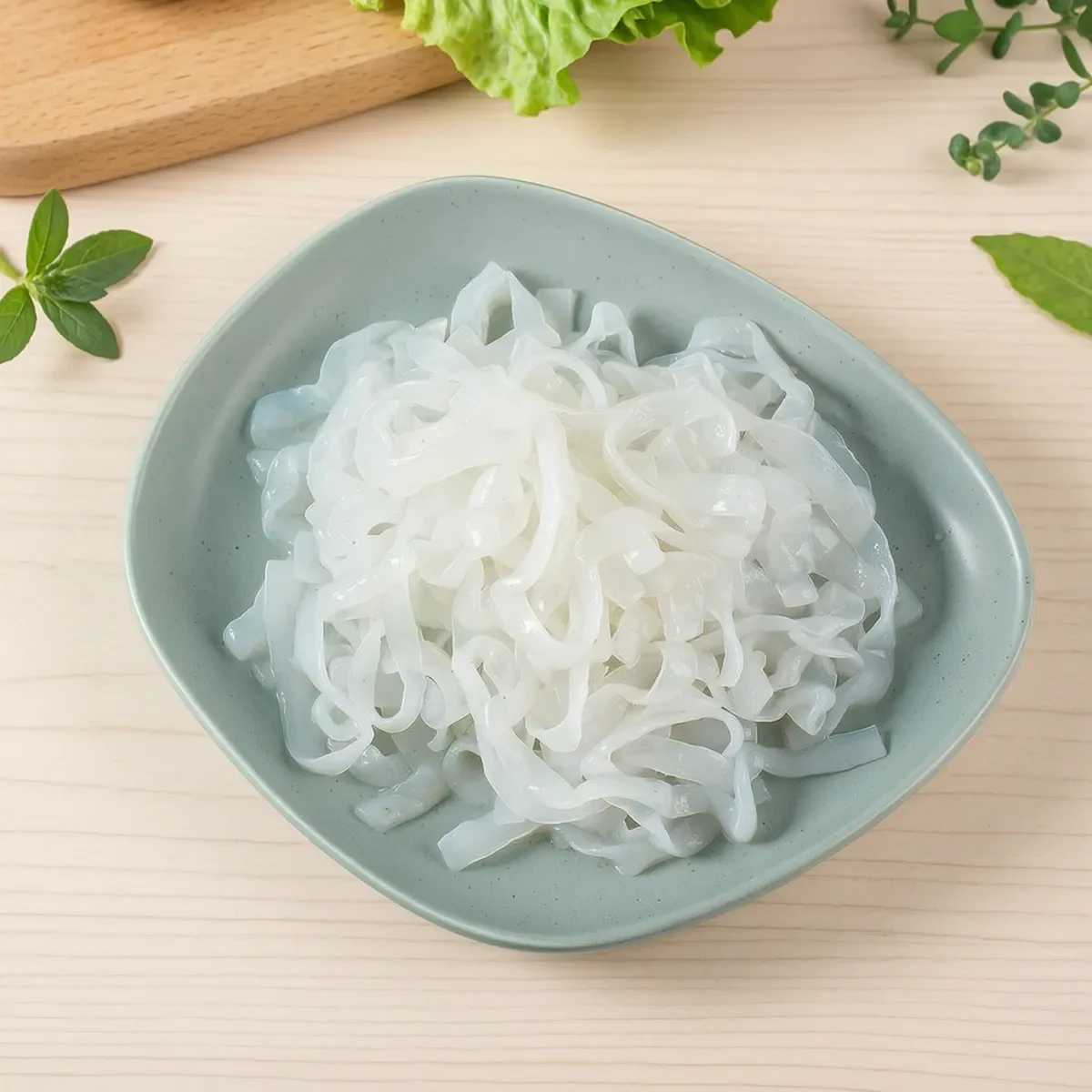
Shirataki Noodles: The “Miracle Noodle” That’s Winning Over Health-Conscious Diners
Shirataki noodles, also known as the "miracle noodle," have crossed over from Asian specialty stores to mainstream health food aisles. Made from zero-carb konjac fiber, they are winning over keto, low-carb, and gluten-free diners. Discover why the texture has improved, and what B2B brands need to know about sourcing, certifications, and OEM opportunities.
Walk into any upscale health food store or browse Amazon's keto section today, and you'll see a product that was once confined to Asian specialty markets: Shirataki noodles.
Often dubbed the "miracle noodle," Shirataki has crossed over from a niche ingredient to a mainstream health food phenomenon. For consumers, it’s a guilt-free way to enjoy pasta. For food brands and B2B buyers, it’s a highly profitable, fast-growing product category.
Here is why Shirataki noodles are winning over health-conscious diners—and what it means for your business.
What Are Shirataki Noodles?
Shirataki (literally "white waterfall" in Japanese) are traditional Japanese noodles made from the konjac plant. The primary ingredient is konjac glucomannan, a water-soluble dietary fiber.
Unlike traditional wheat pasta, which is loaded with carbohydrates, Shirataki noodles are composed almost entirely of water and fiber. This unique composition gives them their signature springy texture and their incredible nutritional profile.
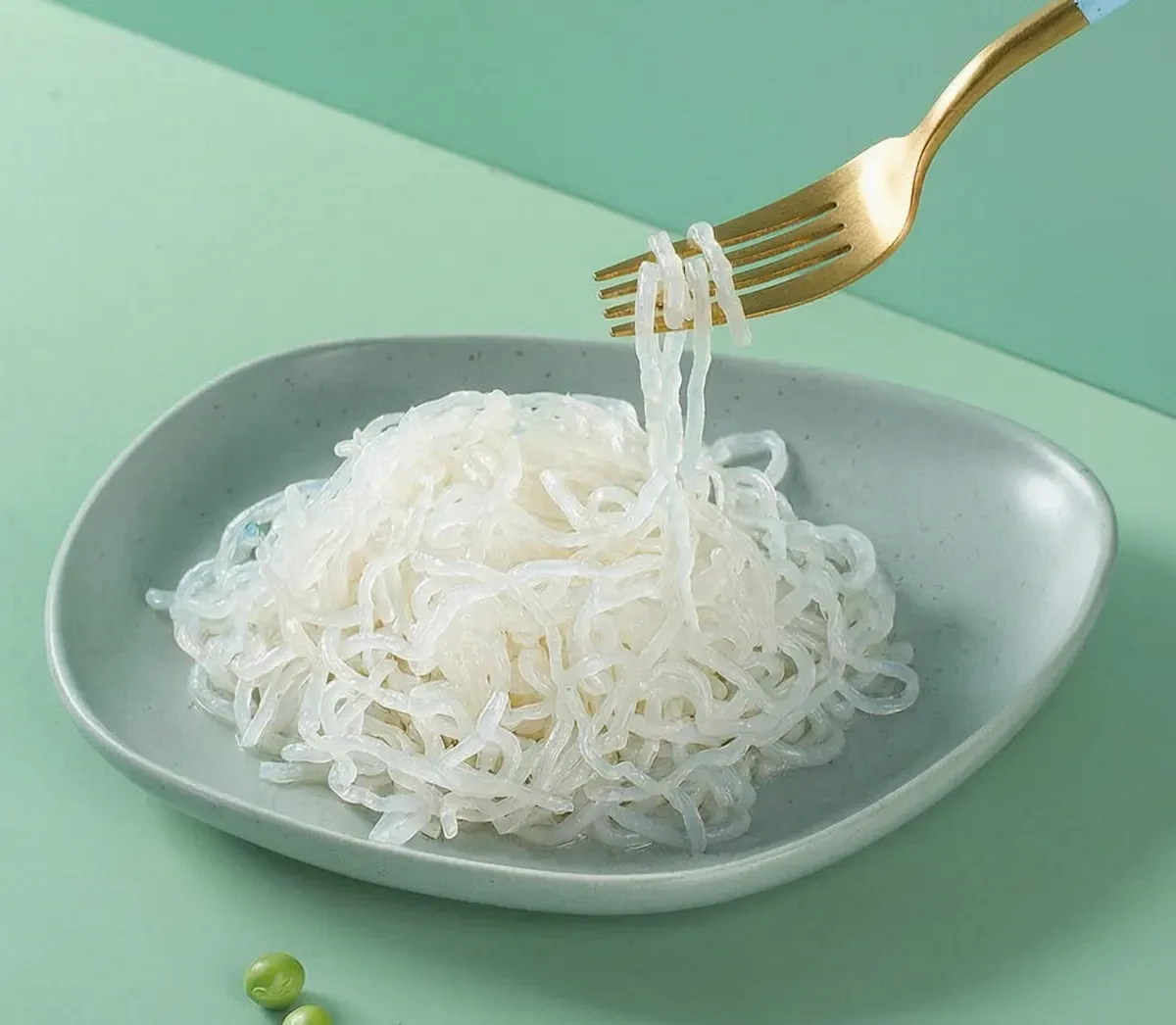
The Consumer Appeal: Why "Health-Conscious" Loves Them
The modern health-conscious diner is not just looking for "low fat" anymore. They are tracking macros, managing blood sugar, and looking for clean, functional ingredients. Shirataki noodles tick every box:
Near-Zero Calories & Carbs: A typical serving of Shirataki noodles contains fewer than 10 calories and virtually zero net carbs. It doesn't spike blood sugar.
Keto & Low-Carb Friendly: It is one of the few pasta alternatives that allows strict keto dieters to enjoy a bowl of spaghetti without breaking ketosis.
Gluten-Free & Vegan: Made entirely from plants, it is naturally free from gluten, dairy, and animal products.
High in Fiber: The konjac glucomannan fiber absorbs water, swelling in the stomach to promote a powerful feeling of satiety (fullness).
Consumers aren't just buying noodles; they are buying a solution to their dietary restrictions.
The Evolution of Texture (Overcoming the "Rubbery" Myth)
Early versions of Shirataki noodles had a reputation for being overly chewy or "rubbery," which turned some Western consumers off. However, the industry has evolved significantly.
Modern processing techniques and advanced formulations—such as blending konjac with oat fiber or adjusting the gelling process—have dramatically improved the texture. Today's premium Shirataki noodles have a much more pasta-like bite, making them far more palatable for the mainstream market.
The B2B Opportunity: From Niche to Shelf-Stable Staple
For brands, distributors, and retailers, Shirataki represents a massive growth opportunity. The global konjac market is projected to grow at a CAGR of 6-9% over the next decade, driven largely by the demand for low-carb and plant-based foods.
Here is how B2B buyers are capitalizing on the trend:
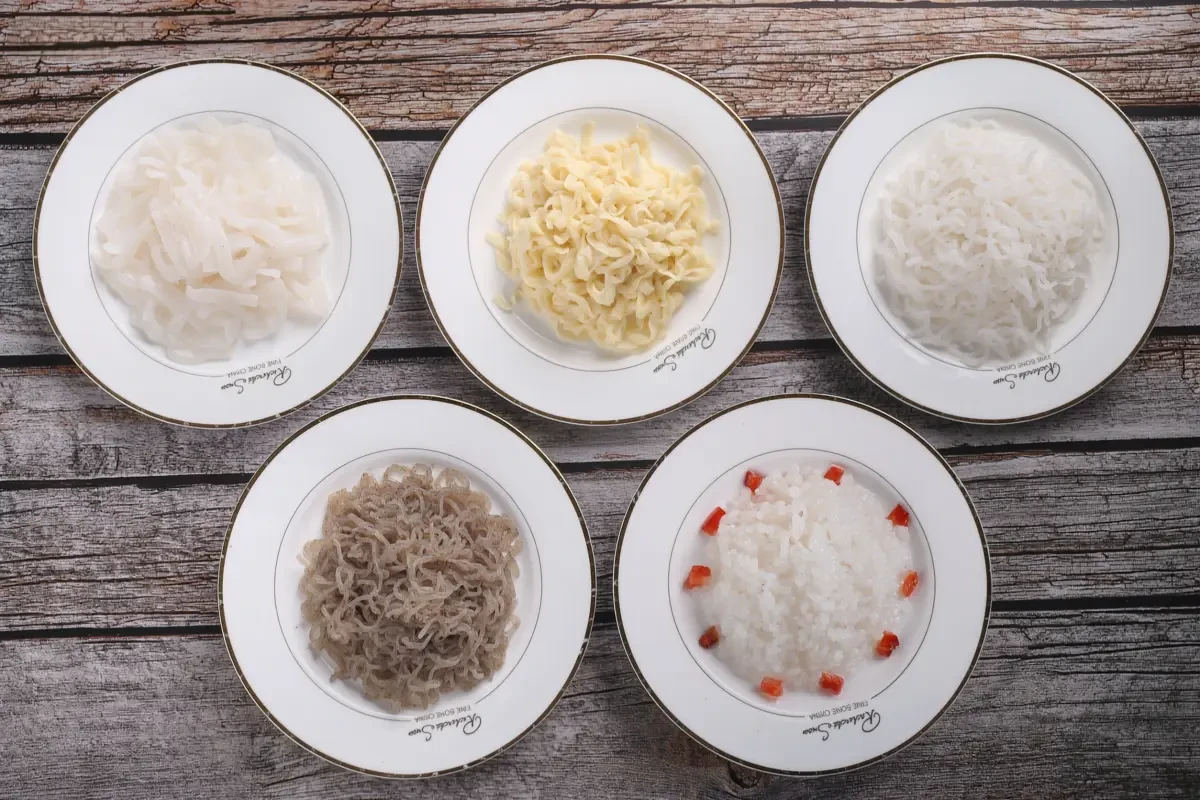
Product Diversification: Moving beyond basic noodles to Shirataki rice, spaghetti, fettuccine, and angel hair.
Formats: Offering both "wet" (ready-to-eat, packed in water) for local retail and "dry" formats for export and e-commerce to reduce shipping costs.
OEM/Private Label: Supermarkets and diet brands are launching their own branded Shirataki lines, demanding customized packaging, MOQs, and specific certifications.
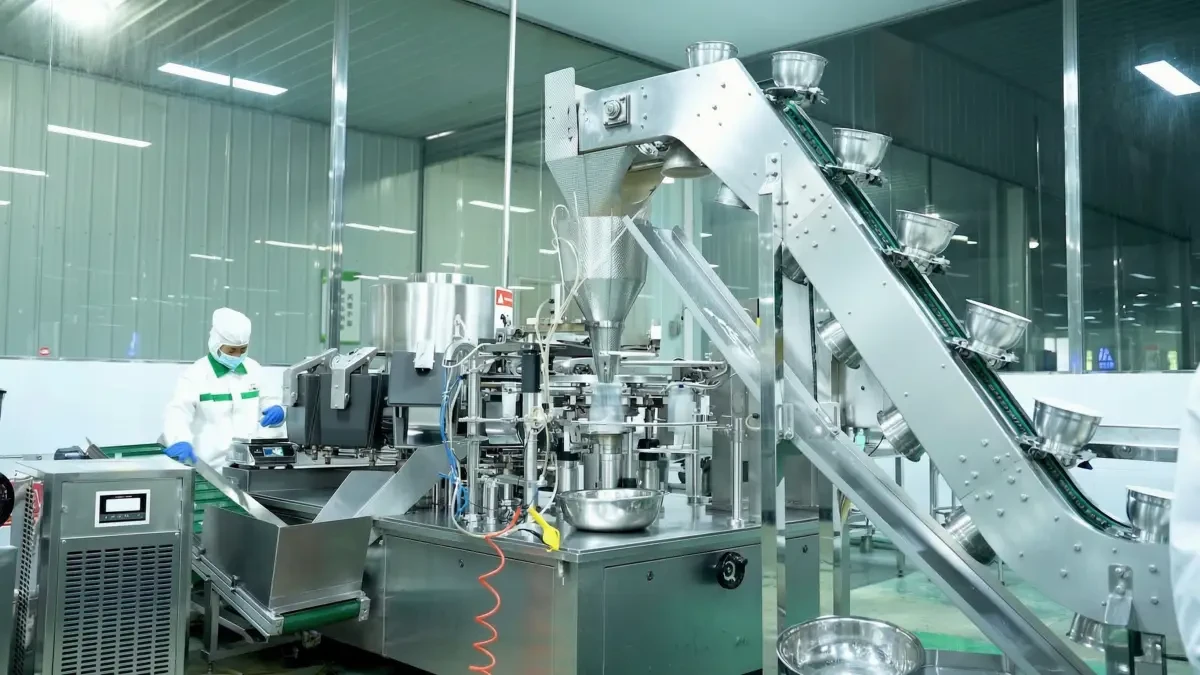
What to Look for in a Shirataki Supplier
As demand surges, many trading companies are jumping into the market. To protect your brand, you need a partner who prioritizes quality and compliance:
Certifications: Ensure the facility holds BRC, IFS, or FDA registration. For health food segments, Organic, Kosher, and Halal are essential.
Traceability: Because Shirataki is a single-ingredient product, quality depends entirely on the raw konjac. Suppliers with their own planting bases can guarantee consistent glucomannan purity and food safety.
Clean Label: Check the ingredient list. It should be simple: Water, Konjac Powder, and a natural preservative (like Citric Acid). Avoid suppliers who use artificial additives or bleaches.
The Future is Shirataki
The "miracle noodle" is no longer a fad. As consumers continue to prioritize gut health, weight management, and low-carb lifestyles, Shirataki noodles will remain a staple in the modern pantry.
For B2B buyers, the time to secure a reliable supply chain is now. By partnering with a vertically integrated, certified manufacturer, you can capture this growing demand with high-quality products that your customers will love.
Ransider is a konjac food supplier built on 20+ years of manufacturing expertise. We operate our own konjac planting base and hold BRC, IFS, FDA, Organic, Kosher, and Halal certifications. We offer a full range of Shirataki and dried konjac noodles with complete OEM/ODM capabilities. Contact us for wholesale inquiries and free samples.